Scope: This is general operating guidance. Follow your local health department and adopted code, facility SOP (standard operating procedure), chemical label, and equipment-manufacturer instructions.
Why Pool Logs Matter
Logs create an operating history that supports shift handoffs, troubleshooting, management oversight, and inspection readiness. A good log shows what the water was doing and what the team did about it, in enough detail that a stranger could reconstruct the week.
The log earns its keep in three moments: when a result looks wrong and someone asks "has this happened before," when an inspector asks for records, and when a recurring problem finally gets a diagnosis. All three moments reward the same thing: complete, timestamped, retrievable entries.
What a Useful Chemistry Log Captures
Capture the parameter, value, date and time, source of the reading, and any identity fields required by the facility or code. The log should distinguish free chlorine from combined or total chlorine instead of writing only "chlorine."
That distinction is where many logs quietly fail. "Chlorine: 2.0" could mean free chlorine, total chlorine, or a display number of unknown provenance, and the corrective action for each is different. Recording the actual parameter name takes no extra time and prevents the entire class of confusion. For the portfolio-wide picture of scheduled testing, alerts, and records, see our guide to commercial pool monitoring.
Record Corrective Actions Too
When a result is out of range, document the response and the follow-up test. A log full of bad numbers with no actions is not a complete operating story.
The corrective-action record is what turns the log from a diary into a management tool. Original reading, action taken under the facility procedure, time, and verified follow-up result: with those fields, a supervisor can audit response quality; without them, the log documents that problems happened and nothing more.
Paper Logs: Simple but Limited
Paper is inexpensive and familiar, but remote supervisors cannot easily search it, aggregate it, or see it in real time. Legibility, missing fields, and lost sheets can also become recurring problems.
Paper's deeper limitation is structural: the data exists in one place, in one handwriting, sorted only by page order. Trend questions like "how often did this pool need correction last quarter" become page-flipping projects, which means they rarely get asked.
Digital Logs: Searchable and Shareable
Digital records can standardize required fields, timestamp entries, improve legibility, and make history available across an organization. The system should preserve edits and identify the source of each reading.
The standardization is the underrated benefit. A digital form that requires the parameter, the value, and the time removes the blank-field problem at the door, and a timestamp applied by the system rather than the writer is harder to fudge and easier to trust.
Automatic Logs Need Clear Provenance
If a device writes results automatically, label those entries as automated measurements. Manual tests should remain distinguishable so operators and inspectors know how each value was produced.
Provenance protects both sides of the record. The automated entry carries its device's testing schedule and method; the manual entry carries the operator's technique and judgment. Mixing them without labels destroys the ability to audit either, and inspectors reasonably want to know which is which.
Inspection Readiness
Keep records complete and retrievable as part of normal operations. The facilities that sail through inspections are not the ones that prepare for inspection week; they are the ones whose everyday record would survive being read by a stranger.
Do not assume a digital format is accepted everywhere. Verify the local authority's requirements before replacing a required paper process, because some jurisdictions still specify formats, and "the app has it" is not an answer until the authority having jurisdiction agrees it is.
Multi-Property Visibility
A regional dashboard can show missing tests, repeated excursions, and unresolved corrective actions across a portfolio. That turns logs from archival paperwork into an operations tool.
The portfolio view changes what management can see: which property has not logged today, which pool shows the same excursion three weeks running, and which corrective action never got its follow-up test. None of those questions are answerable from thirty separate binders.
Data Quality Matters More Than Fancy Dashboards
Required fields, valid timestamps, clear parameter names, and completed follow-up actions matter more than animation. Bad data in a beautiful interface is still bad data.
The audit test is simple: pick a random Tuesday from last quarter and reconstruct what happened at one pool. If the record answers what the water did, who responded, and what the follow-up showed, the log is working. If the story has gaps, no visualization layer will fill them.
Retention and Local Requirements
Retention periods and required log contents vary. Configure the system around the applicable jurisdiction and organizational policy rather than publishing one universal number.
The safe operating posture is to know the local requirement explicitly, meet it, and keep the records retrievable for the full period. Storage is cheap; explaining a missing record is not.
Practical Operator Workflow
Set the log standard in writing: required fields, naming rules for parameters, how corrections and follow-ups get recorded, and who reviews the week. Then audit it monthly against a random day. Standards that only exist in a training deck decay; standards that get audited survive staff turnover, busy weekends, and the third week of August.
What Good Operations Look Like
A logging program that works disappears into the routine. Entries are complete because the fields are required, timestamps are trustworthy because the system applies them, and corrections sit beside the readings that triggered them. Supervisors pull trends without a site visit, and inspection readiness is a property of every ordinary week rather than a special project. The log stops being paperwork about the operation and becomes part of how the operation runs.
Where Amano Fits
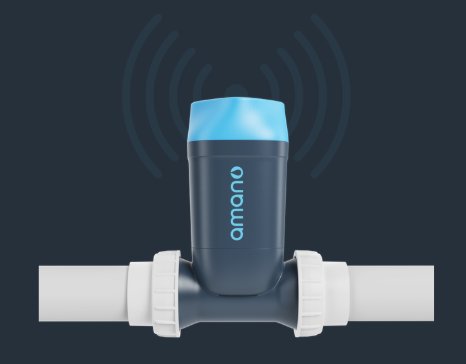
Amano runs scheduled reagent-based water tests for commercial pools, measuring free chlorine, combined chlorine, pH, and total alkalinity on a schedule the team sets. Every completed test is timestamped and logged automatically, with the parameter and value recorded by the system, and logs can be shared by QR code without an Amano login.
For the logging discipline in this guide, the practical value is that the automated layer never forgets a field. Each scheduled test writes its own complete, timestamped entry, and completed tests are reviewable across multiple properties in one app, so the portfolio questions about missing tests and repeated excursions have a live data source instead of a binder audit. Automated entries are distinct from manual ones, and the operator's verification and correction work stays in human hands.
Amano supports the operator's process. It does not add chemicals, and it does not replace testing, verification, or safety duties imposed by the local authority having jurisdiction.
See automatic digital pool logs
See how scheduled reagent tests write their own timestamped, shareable log entries after every test.
Quick FAQ
What belongs in a commercial pool log?
At minimum, capture the readings with their parameter names, date and time, responsible person or system, and the corrective actions and follow-up results required by the facility and jurisdiction. "Chlorine: 2.0" without a parameter name is not a complete entry.
Can digital logs replace paper?
That depends on local requirements and facility policy. Verify acceptance with the authority having jurisdiction before retiring any required paper process, because some jurisdictions still specify formats.
Should automated readings be labeled?
Yes. The record should make the source of each reading clear so operators and inspectors know whether a person or a device produced the value, and each can be audited on its own terms.
How long should logs be kept?
Retention requirements vary by jurisdiction and organization. Follow local rules and organizational policy, and keep records retrievable for the full required period.
Talk through your pools with us
Thirty minutes, your properties, your water-testing setup. No obligation.
Primary sources and scope
Reviewed September 16, 2026. The sources below provide public-health and label context. Amano product details on this page come from current Amano materials.