Scope: This is general operating guidance. Follow your local health department and adopted code, facility SOP (standard operating procedure), chemical label, and equipment-manufacturer instructions.
There Is No Universal U.S. Retention Period
Retention rules for pool records are set locally. States, counties, and cities adopt their own requirements, and they differ in both how long records must be kept and what those records must contain. CDC's Model Aquatic Health Code is national model guidance, not federal law, and jurisdictions adopt, modify, or ignore portions of it.
Any page that quotes one national number is guessing on your behalf. The only retention period that protects a facility is the one its own adopted code names, plus whatever the organization's legal and insurance advisors recommend on top.
Find the Rule That Applies to Your Facility
Start with the local health department or authority having jurisdiction: ask what records are required and how long they must be retained. Then layer on the facility's own context: ownership structure, management company standards, insurance requirements, and any internal legal policy.
Write the answer into the operating plan as a specific number with a named source, not a habit. "We keep three years because the county code section X requires it, and our policy adds a year" is a retention policy. "We keep everything in the binder" is a hope.
Do not forget the bodies above the health department: management companies often set portfolio-wide retention standards, and insurance carriers sometimes specify record expectations in policy language. The strictest applicable rule wins. When the sources disagree, keep the longest period any of them names. For the portfolio-wide picture of scheduled testing, alerts, and records, see our guide to commercial pool monitoring.
Why Keeping More History Can Still Be Useful
Beyond compliance, longer histories pay operational rent. Recurring problems become visible: the spa that runs high combined chlorine every August, the property whose alkalinity slides every time the irrigation schedule changes. Those patterns need more than one season of data to even appear.
History also defends decisions. When someone asks why a corrective process changed last year, a complete record answers from evidence instead of memory. Retention beyond the minimum is not hoarding; it is institutional memory with timestamps.
History also trains the team. New operators learn the property's personality from its records: which season pushes the chemistry, which event fills the spa, which correction actually worked. That knowledge transfer is invisible until the day a five-year employee's replacement reads two years of trends and starts up to speed.
Digital Storage Makes Long Histories Easier
Long retention on paper means boxes, shelf space, water damage risk, and the slow entropy of handwriting. Digital records store years of history in the space of nothing, stay legible forever, and remain searchable across the whole retention period.
The practical difference shows up at retrieval time. Finding "every combined-chlorine excursion last summer" in three years of paper is a weekend project; in a digital system it is a query. Retention policies that would be burdensome on paper become cheap when the format does the filing. The digital vs. paper logs comparison covers the full tradeoff.
Protect Records From Accidental Loss
Retention only counts if the records survive. Paper needs protection from water, fire, misplacement, and the well-meaning cleanup. Digital needs backups, export options, and access that survives staff turnover.
Whatever the format, name the person responsible for record survival. A retention policy with no owner degrades quietly until the day someone actually needs a two-year-old reading and discovers the binder got recycled in the spring.
Build Retention Into the Workflow
The durable approach is to make retention automatic: records are created in a system that keeps them, archives run on a schedule, and nothing depends on a person remembering to file. Retention that relies on discipline fails at exactly the moment the facility gets busy.
Review the policy once a year against the local rule, because adopted codes change. A retention rule mapped to last year's code is a routine drifting away from its requirement, and the annual check is what keeps them pinned together.
Practical Operator Workflow
Assign retention a named owner and a written number. The owner confirms the local requirement, sets the archive routine, verifies backups or storage quarterly, and runs the annual review against the current adopted code. New managers inherit the policy as a document, not a rumor. When the jurisdiction updates its code, the retention policy updates in the same week, not the next audit cycle.
Where Amano Fits
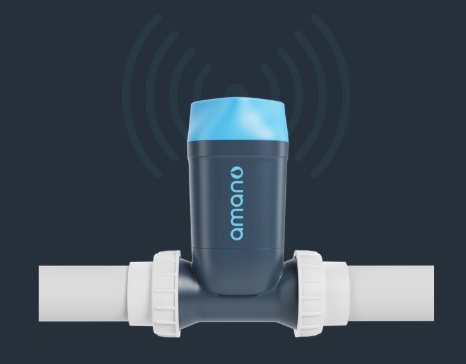
Amano's scheduled reagent-based tests for commercial pools write their own archive: free chlorine, combined chlorine, pH, and total alkalinity, timestamped at every completed test. Alerts follow each test, and any slice of the history can be shared by QR code without an Amano login.
For retention, the practical value is that the automated chemistry history builds and keeps itself. Each scheduled test lands in a searchable, timestamped record with no filing step, and completed tests across multiple properties are reviewable in one app, so the multi-year chemistry story accumulates as a byproduct of normal operation rather than as a separate archiving project.
Amano supports the operator's process. It does not add chemicals, and it does not replace recordkeeping duties or retention requirements imposed by the local authority having jurisdiction.
See the searchable chemistry history
See how scheduled reagent tests build a multi-year, timestamped, searchable chemistry record automatically.
Quick FAQ
How long should commercial pool records be kept?
There is no single national answer. Retention periods are set by the local jurisdiction and vary, so confirm the requirement with the authority having jurisdiction and layer organizational policy on top.
Is there a downside to keeping records longer than required?
Storage cost is minimal for digital records, and longer histories help diagnose recurring problems and document past decisions. Set the period deliberately with your advisors rather than by default.
Are digital records acceptable for retention requirements?
It depends on the jurisdiction. Verify acceptance with the local authority before relying on a digital-only archive, and keep whatever format the local rule specifically names.
What should a retention policy include?
The required period with its named source, the records covered, the storage and backup method, the responsible owner, and an annual review date. One page, written down, beats a filing cabinet full of assumptions.
Talk through your pools with us
Thirty minutes, your properties, your water-testing setup. No obligation.
Primary sources and scope
Reviewed September 16, 2026. The sources below provide public-health and label context. Amano product details on this page come from current Amano materials.