Scope: This is general operating guidance. Follow your local health department and adopted code, facility SOP (standard operating procedure), chemical label, and equipment-manufacturer instructions.
Before Opening: Start With the Basics
The opening pass sets the day. Circulation running, water level correct, no visible leaks, deck clear of hazards, safety equipment in place and accessible. These are physical checks; no instrument does them for you.
The opening checklist should be short enough to actually finish and specific enough to be meaningful. "Check equipment" is not a checklist item; "pump strainer basket clear, filter pressure within normal range, no drips at unions" is. The authority having jurisdiction's own inspection form is the best starting template, because it is literally the sheet the facility will be graded against.
Chemistry and Water Clarity
Test and record the required chemistry parameters before bathers arrive: free chlorine and pH at minimum, plus whatever the local code and facility plan require. The 2024 Model Aquatic Health Code lists reference values including a pH range of 7.0 to 7.8 and a minimum free chlorine of 1 ppm for public pools, with local adopted code setting the actual operating ranges.
Record each reading with its parameter name, value, and time, and verify the water is clear enough that the main drain or deepest point is visible, per the facility's standard. Chemistry that tests fine but logs late is an inspection finding; clarity that looks fine but goes unrecorded is the same. The commercial pool chemical levels guide covers what belongs on the panel.
Retest timing matters as much as the opening reading. A pool that passes at 7 AM and drifts by 1 PM fails the spirit of the checklist even though the paperwork looks fine. Match the retest rhythm to the bather load and the local rule, and treat any mid-day correction as an item the next opening checklist should review. For the portfolio-wide picture of scheduled testing, alerts, and records, see our guide to commercial pool monitoring.
Equipment Room Walk-Through
The equipment room pass covers circulation, feed, and safety: pump operation and sounds, filter pressure against the clean baseline, feeder operation and chemical stock levels, flow reading, valves in correct positions, and no signs of leaks or corrosion.
Chemical storage gets its own look: incompatible chemicals separated, containers labeled, secondary containment intact, and the area ventilated. Equipment rooms are where inspections go to find things, so the checklist should spend real time there, not wave at it from the doorway.
Deck and Safety Checks
The deck checklist covers the swimmer-facing safety equipment and conditions: rescue equipment present and accessible, emergency phone or communication working, depth markings and warnings legible, drain covers intact and secure, gates and barriers self-closing and latching where required.
Slip, trip, and electrical hazards belong on the same pass. These checks are physical and visual; they are exactly the category that automation cannot perform, which is why they belong on a human's list every single day.
Records and Corrective Actions
The records check confirms the paperwork itself is inspection-ready: today's readings logged, yesterday's corrective actions closed with follow-up results, and required postings or permits current and displayed where required.
This is the checklist item facilities skip because it feels like checking homework. It is the item inspectors check first. A facility that logs the review of its own log is demonstrating the exact operating discipline the inspection exists to verify. The commercial pool logs guide covers what a complete record looks like.
What Automation Can and Cannot Inspect
Scheduled automated testing can cover the chemistry row of the checklist: regular, timestamped measurements with alerts when a value needs attention. It cannot walk the deck, check a drain cover, test a gate latch, or verify that rescue equipment is in place.
The practical split: automation makes the chemistry data reliable and early; people own everything physical and everything judgment-based. A checklist that assigns each item to the right layer is shorter, faster, and more trustworthy than one that pretends a sensor can see a missing shepherd's crook.
Turn the Checklist Into a Routine
A checklist only works if it survives Saturdays, staff turnover, and the third week of August. Keep it short, assign it to a role rather than a person, and log completion itself so the record shows the routine happening.
Review the checklist against the local inspection form once a year or whenever the adopted code changes. The facilities that fail inspections on checklist items are rarely missing exotic knowledge; they are running last year's list on this year's rules.
Practical Operator Workflow
Run the checklist at opening, every day, in the same order, and record each section's completion with a name and a time. Out-of-range findings get the standard path: verify, correct under the facility procedure, retest, document. A finding that repeats three days straight is not a checklist item anymore; it is a work order. Supervisors spot-check the checklist itself weekly, because the routine is the thing being managed.
Where Amano Fits
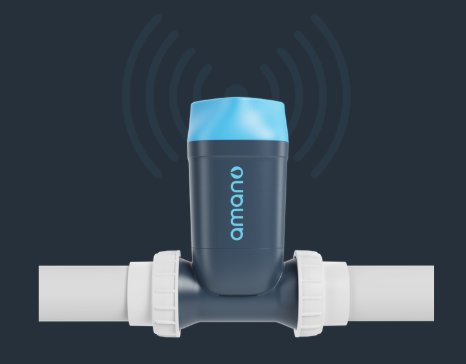
Amano covers the chemistry rows of a daily checklist automatically: scheduled reagent-based tests measure free chlorine, combined chlorine, pH, and total alkalinity for commercial pools. Results are timestamped, alerts follow completed tests, and logs share by QR code with no login required.
For the chemistry rows of this checklist, the practical value is coverage between walk-throughs. Scheduled tests keep producing timestamped readings after the opening pass is done, and alerts surface a value that moves mid-day instead of waiting for tomorrow's checklist. The physical half of the checklist, deck, equipment room, safety gear, stays exactly where it belongs: with people, on a list, every day.
Amano supports the operator's process. It does not add chemicals, and it does not replace testing, verification, inspection, or safety duties imposed by the local authority having jurisdiction.
Add chemistry visibility between walk-throughs
See how scheduled reagent tests keep the chemistry rows of your checklist covered all day.
See How Amano Adds Chemistry Visibility Between Inspections Request a Demo
Quick FAQ
What is the main takeaway for a commercial pool inspection checklist?
Build it from the local inspection form, keep it short enough to finish daily, assign it to a role, and log its own completion. The checklist is a routine, not a document.
How often should the checklist run?
Daily at opening for the core items, with chemistry retested at the frequency the jurisdiction and facility plan require. Some items belong on weekly or monthly passes instead of the daily list.
Can automation handle the whole checklist?
No. Automation can cover scheduled chemistry measurements and records. Physical inspection, safety equipment, deck conditions, and judgment calls stay with people, and local rules on required checks still apply.
Does every facility use the same checklist?
No. Facility type, adopted code, staffing, equipment, and bather load all shape the list. Start from the local inspection form and the facility operating plan, then trim to what your site actually has.
Talk through your pools with us
Thirty minutes, your properties, your water-testing setup. No obligation.
Primary sources and scope
Reviewed September 16, 2026. The sources below provide public-health and label context. Amano product details on this page come from current Amano materials.