Scope: This is general operating guidance. Follow your local health department and adopted code, facility SOP (standard operating procedure), chemical label, and equipment-manufacturer instructions.
The Short Answer
That is less satisfying than a neat “every 30 days” answer, but it is much more useful. A calibration calendar should be based on the equipment you actually own and verified performance—not a generic number copied from another controller.
A useful policy separates scheduled maintenance from condition-based checks. Put the manufacturer's minimum routine on the calendar, then give technicians permission to verify sooner when the pool, controller, or comparison tests show something unusual. That prevents the schedule from becoming a ceiling on good judgment.
What Calibration Actually Does
Calibration compares a sensor's response with a known reference and, when the equipment supports it, adjusts the measurement system so the displayed value aligns with that reference. For a pH probe, this commonly involves manufacturer-specified buffer solutions. ORP procedures vary by manufacturer and may emphasize verification with a reference solution rather than the same multi-point process used for pH.
The key idea is simple: calibration is about the measurement system, not the pool water. If the pool reads strangely, calibration may be part of the investigation, but it should not become a ritual where the operator keeps adjusting the sensor until the screen shows the number they expected.
The pre-calibration value is worth saving. If a sensor repeatedly needs a large correction, that history can reveal aging, fouling, or an installation problem. A calibration log should therefore capture more than a checkbox; it should preserve enough information to show how the sensor is behaving over time. For the portfolio-wide picture of scheduled testing, alerts, and records, see our guide to commercial pool monitoring.
Why Calibration Frequency Varies
Commercial pools are not identical laboratories. A lightly used indoor pool, a busy outdoor resort pool, and a hot spa can expose sensors to very different conditions. Fouling, scale, oils, chemical concentration, temperature, flow through the sample cell, cleaning practices, and the age of the electrode can all affect sensor behavior.
Frequency also depends on the job the sensor is doing. A probe used as an input to an automatic chemical controller deserves a disciplined verification program because the controller may act on that signal. The more operational authority a measurement has, the more important it is to know that the measurement remains trustworthy.
Hot water, high bather load, scale, oils, and difficult equipment-room conditions can all increase service demand. A property that repeatedly needs early attention should earn a site-specific maintenance interval instead of being forced into the same cadence as an easy indoor pool.
Signs It Is Time to Verify the Probe
Do not wait for a calendar date if the reading is giving you reasons to be suspicious. A probe deserves attention when it repeatedly disagrees with a trusted independent test, responds unusually slowly, jumps without an obvious chemistry explanation, fails a reference check, or requires increasingly frequent adjustment.
A single disagreement is not proof that the probe is bad. Manual testing can be wrong too. Sample location, test technique, reagent condition, flow, controller settings, and real changes in the water can create differences. The useful response is to investigate the measurement chain rather than immediately choosing whichever number you like better.
Compare the questionable reading with recent history before touching the controller. A slow departure over several days looks different from a sudden step change after a pump shutdown. The shape of the problem can point toward drift, flow, electrical issues, or a real chemistry event.
Clean Before You Calibrate
A dirty sensing surface can produce poor response. If the manufacturer calls for cleaning before calibration or verification, follow that sequence. Deposits, oils, scale, or other material can interfere with the sensor, and calibrating a fouled probe can mask the underlying problem instead of fixing it.
Cleaning chemistry matters. The correct procedure for one sensor may damage another. Use the probe manufacturer's instructions, approved cleaning materials, and handling practices. “I scrubbed it until it looked new” is not a maintenance specification.
Rinse and handling practices matter too. Cross-contaminating a reference solution with pool water or cleaner can undermine the check. Technicians should use clean containers, fresh solution as directed, and a repeatable sequence that another technician could reproduce.
Build a Repeatable Calibration Program
A strong commercial-pool program records the probe ID or location, date, person performing the work, reference solution used, pre-service reading, post-service result, cleaning performed, and any unusual observations. That history makes it easier to see whether one sensor is becoming unstable or one property is consuming unusual maintenance time.
For multi-property operations, standardize the procedure. Give technicians the same reference materials, the same documentation fields, and clear escalation criteria. The goal is to make calibration boring—in the best possible way.
Regional teams can make this easier with a simple asset register. Track sensor model, installation date, last service, next planned check, and replacement history. That turns probe maintenance from tribal knowledge into something a supervisor can actually manage.
Calibration Is Not the Same as Verification
Verification asks, “Does this sensor appear to be reading correctly?” Calibration asks, “Should the measurement system be adjusted against a reference?” Those steps are related but not identical.
An independent manual water test can be useful context, while a manufacturer-specified reference solution can test the sensor under known conditions. Operators should understand which procedure their equipment requires instead of treating every comparison as a formal calibration.
A good SOP should state which events require only a comparison, which require a formal calibration, and which require escalation or replacement. Clear definitions prevent technicians from making unnecessary adjustments every time two methods differ slightly.
When Calibration Stops Solving the Problem
Aging sensors eventually reach a point where cleaning and calibration no longer restore dependable performance. Warning signs can include failure to stabilize, inability to pass the manufacturer's reference check, repeated drift soon after service, or physical damage.
At that point, replacement may be more sensible than spending technician time repeatedly reviving a sensor that no longer behaves predictably. Documenting prior service makes that decision much easier because you can see the pattern instead of relying on memory.
Consider labor alongside the sensor price. Three repeat visits to nurse an unstable electrode can cost more than replacing it once. A documented replacement threshold helps technicians stop spending premium labor on a sensor that has become a recurring project. For how scheduled automatic tests fit alongside a calibration program, see automatic pool water testing and why pool probes drift.
The Portfolio Cost of Probe Maintenance
One calibration may take only a few minutes. Multiply that by dozens of pools, multiple sensors per pool, travel, documentation, cleaning, reference solutions, troubleshooting, and replacements, and it becomes a real maintenance program.
That does not make probes a bad technology. Continuous pH and ORP sensing can be extremely useful, especially for chemical control. It simply means buyers should count calibration and verification as part of total ownership rather than treating the sensors as install-and-forget components.
Include reference solutions, spare probes, technician training, travel, and documentation in budgeting. These costs are easy to miss because they arrive in small pieces. At scale, the small pieces form a real operating line item.
Where Amano Fits
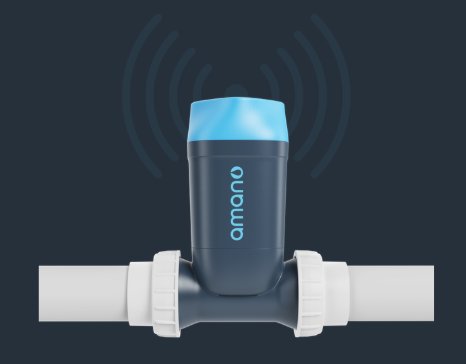
Amano uses liquid-reagent testing for its free chlorine, combined chlorine, pH, and total alkalinity measurements rather than relying on immersed chemistry probes for those four tests. That means those Amano chemistry measurements do not require routine pH/ORP probe calibration.
The tradeoff is a different maintenance model. Reagents are consumables, and the testing device still requires routine care. Amano should not be described as maintenance-free; the useful distinction is that it replaces chemistry-probe calibration for its measured parameters with scheduled reagent-based tests and reagent/device maintenance.
This distinction is most relevant for teams that want scheduled direct chemistry observations without building a calibration program around those four measurements. It does not erase the value of an existing controller; it changes how the monitoring layer obtains its chemistry data.
Compare probe maintenance with Amano reagent testing
See how scheduled reagent tests for free chlorine, combined chlorine, pH, and total alkalinity fit your properties.
Compare Probe Maintenance With Amano Reagent Testing Request a Demo
For pool probe calibration, the operating team should document the measurement, surrounding conditions, and follow-up action so the next decision is based on evidence rather than memory.
Quick FAQ
How often should I calibrate a commercial pool probe?
Follow the specific probe/controller manufacturer's instructions and increase verification when readings or operating conditions justify it.
Should I calibrate every time a probe disagrees with a manual test?
Not automatically. Confirm the manual test, inspect flow and installation, clean as directed, and use the manufacturer's verification/calibration procedure.
Can a probe be too old to calibrate successfully?
Yes. Sensors age, and eventually replacement may be appropriate when they can no longer pass verification or hold dependable performance.
Does automatic reagent testing eliminate maintenance?
No. It changes the maintenance model from chemistry-probe calibration toward reagents and device upkeep.
Talk through your pools with us
Thirty minutes, your properties, your water-testing setup. No obligation.
Primary sources and scope
Reviewed September 16, 2026. The sources below provide public-health and label context. Amano product details on this page come from current Amano materials.