Scope: This is general operating guidance. Follow your local health department and adopted code, facility SOP (standard operating procedure), chemical label, and equipment-manufacturer instructions.
There Is No Honest One-Number Lifespan
Manufacturer guidance is the starting point. Actual performance is the deciding factor.
When vendors or technicians discuss expected life, ask what assumptions sit behind the estimate. Water temperature, duty cycle, storage, cleaning, and installation conditions matter. Treat a lifespan range as planning information, not a warranty from the laws of chemistry.
What Makes a Probe Age
PH and ORP electrodes contain sensitive components that change over time. Reference systems can degrade, sensing surfaces can foul, junctions can become contaminated, and repeated exposure to harsh conditions can reduce response quality.
Normal aging is not a defect. The operational question is whether the sensor still meets the manufacturer's performance expectations and can be verified reliably.
Electrode aging often shows up as slower response or poorer ability to meet reference criteria before it becomes an obvious failure. That is why maintenance records can be more informative than waiting for a dramatic error message. For the portfolio-wide picture of scheduled testing, alerts, and records, see our guide to commercial pool monitoring.
Water Conditions Affect Service Life
Scale-forming water, oils, contamination, extreme conditions, poor sample flow, high temperatures, and chemical exposure can increase maintenance or shorten service life. Spas and heavily loaded facilities can be especially demanding environments.
This is why “our other property gets two years” is not a technical specification for the probe at this property.
Compare replacement rates by property. If one location consumes probes much faster than the rest, investigate sample conditions, scale, cleaning practices, temperature, and installation instead of assuming the site simply has bad luck.
Maintenance Can Extend Useful Performance
Appropriate cleaning, calibration or verification, correct storage, proper flow, and careful handling can help a probe remain dependable. Maintenance cannot make an electrode immortal, but neglect can certainly help it retire early.
Follow the manufacturer rather than using aggressive cleaning methods that may make the probe look cleaner while damaging the sensing surface.
Train technicians on handling as carefully as calibration. Dropping a pH electrode, twisting a cable, letting a sensing surface dry, or using the wrong cleaner can erase months of otherwise good maintenance in a few seconds.
Signs a Probe May Be Nearing Replacement
Watch for slow stabilization, repeated calibration failures, inability to pass a reference check, increasing disagreement with trusted tests, erratic readings, or a sensor that needs attention again soon after service.
Any one symptom can have another cause. The pattern matters. A maintenance log makes that pattern visible.
A useful trigger is repeated service frequency. If the same sensor keeps returning to the work queue, calculate the technician time being spent on it. Reliability is an operating cost, not just a laboratory concept.
Physical Damage Is a Different Problem
Cracked glass, damaged cable, compromised connector, broken body, or other visible damage can justify replacement even if the sensor is relatively new. A probe is part chemistry instrument and part physical device; both sides need to survive the equipment room.
Inspect connectors and cables during troubleshooting rather than assuming every problem lives at the sensing tip.
Keep protective caps and storage accessories with the correct sensor where possible. Small handling details reduce the chance that a good probe is damaged during seasonal service or transport.
Replacement Cost Includes Labor
The price of a new probe is only part of replacement cost. There may also be technician travel, shutdown or bypass time, installation, conditioning, calibration, verification, documentation, and follow-up.
Across a portfolio, those small tasks add up. That is why sensor replacement belongs in total-cost-of-ownership discussions.
Portfolio budgeting should include a reasonable spare inventory and expected service labor. Buying only the sensor and ignoring commissioning time understates what replacement actually costs the operation.
Manage Probes as Assets
Give each sensor a location, install date, service history, and replacement record. If possible, track model and serial information. This helps purchasing forecast replacements and helps operations identify properties that consume sensors unusually quickly.
It also prevents the classic equipment-room mystery: “Is this the new probe or the one we thought was new?”
Asset history also helps with warranty conversations. Installation date, service notes, and failure symptoms give the manufacturer or distributor much better information than 'this probe stopped working.'
Do Not Replace a Good Probe Just Because of Age
Age is useful context, but performance matters more. If the manufacturer does not impose a fixed retirement interval and the probe continues to pass required checks, replacement solely because of a generic internet lifespan may waste money.
Conversely, a young sensor that cannot be verified should not be trusted merely because it is “too new to fail.”
Performance-based replacement avoids two opposite mistakes: discarding healthy sensors too early and trusting failing sensors too long. The maintenance program should make both errors less likely. For the aging pattern behind most replacements, see why pool probes drift, and for the testing-model alternative, automatic pool water testing.
Practical Operator Workflow
Treat probe replacement as an asset-management decision rather than a surprise purchase. Start by recording the install date and model of every pH and ORP sensor. Each time the probe is cleaned, verified, calibrated, or replaced, add the result to that history. Then review the portfolio periodically for sensors with rising service frequency, repeated failed checks, or unusually short life. Those outliers deserve investigation. The cause may be harsh water, hot operating conditions, poor storage, incorrect cleaning, bad sample flow, or simply normal aging. This approach also improves purchasing. Instead of ordering a probe only after one fails, the team can maintain a reasonable spare inventory based on actual replacement history. It can also compare the true cost of different sensor models by including technician time, not just purchase price. A probe that costs less but requires twice the service may not actually be cheaper. Most importantly, asset history gives the operator evidence. The decision to replace a sensor becomes 'this probe failed two reference checks after cleaning' rather than 'it seems old and Dave thinks we changed it last summer.'
Before standardizing a replacement cycle, separate preventive replacement from failure replacement. Some facilities may choose to replace critical sensors proactively before a high-use season; others may run them based on verified performance. Either strategy should be explicit. Record why a sensor was removed—failed verification, physical damage, slow response, preventive change, or another reason. Over a year or two, those reason codes reveal whether the portfolio has a predictable aging curve or whether most replacements are actually caused by handling and site conditions. That information can improve training, stocking, and vendor discussions.
Where Amano Fits
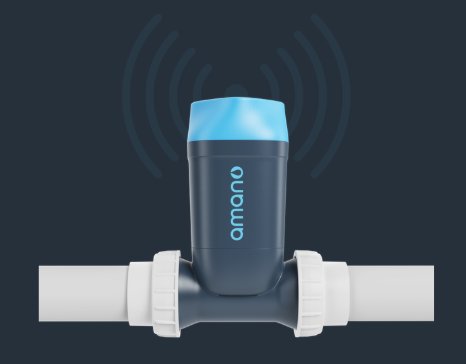
Amano's free chlorine, combined chlorine, pH, and total alkalinity tests use liquid reagents rather than immersed chemistry probes for those measurements. There are therefore no pH or ORP chemistry probes in those four Amano tests to age out and require replacement.
Amano has its own consumables and maintenance requirements, including reagent replacement. The ownership model changes; maintenance does not disappear.
For budgeting, Amano shifts the recurring chemistry-monitoring expense away from pH/ORP probe replacement toward reagent consumables and device maintenance. That makes total-cost comparisons more apples-to-apples.
Compare probe replacement cycles with Amano
See how a reagent-based testing model changes the maintenance calendar for your pools.
See Amano's Probe-Free Chemistry Testing Approach Request a Demo
For how long do pool probes last, the operating team should document the measurement, surrounding conditions, and follow-up action so the next decision is based on evidence rather than memory.
Quick FAQ
How many years does a pool probe last?
There is no universal answer. Use manufacturer guidance and actual verification/calibration performance.
What shortens probe life?
Fouling, harsh conditions, improper storage, physical damage, poor maintenance, and normal sensor aging can all contribute.
Should I replace a probe that still calibrates correctly?
Follow manufacturer guidance and your facility's maintenance program rather than replacing solely on a generic age number.
Does Amano have replacement chemistry probes?
Its four core reagent tests do not rely on immersed pH/ORP chemistry probes.
Talk through your pools with us
Thirty minutes, your properties, your water-testing setup. No obligation.
Primary sources and scope
Reviewed September 16, 2026. The sources below provide public-health and label context. Amano product details on this page come from current Amano materials.