Scope: This is general operating guidance. Follow your local health department and adopted code, facility SOP (standard operating procedure), chemical label, and equipment-manufacturer instructions.
Why pH Probe Calibration Matters
The purpose is not to make the screen agree with yesterday's expectation. It is to establish whether the sensor behaves correctly against known standards.
Because pH can influence chemical feed decisions, small persistent errors matter more than they might on a casual display. A facility should know which systems merely display pH and which systems actively use that value to control equipment.
How pH Buffers Work
PH calibration typically uses prepared buffer solutions with known pH values. The controller uses those references to interpret the electrode's electrical response. Depending on the equipment, the procedure may use one or more buffers.
Use the buffer values, sequence, temperature guidance, and acceptance criteria specified by the manufacturer. Calibration quality falls apart quickly if the reference solution is contaminated, expired, diluted, or poured back into the original bottle after use.
Avoid dipping a dirty probe directly into the stock bottle unless the manufacturer explicitly allows it. Using a clean portion of buffer protects the remaining reference solution and makes the next calibration more trustworthy. For the portfolio-wide picture of scheduled testing, alerts, and records, see our guide to commercial pool monitoring.
One-Point vs. Two-Point Calibration
Some equipment supports or requires a one-point adjustment, while other systems use two-point calibration to evaluate both offset and slope. The correct approach depends on the controller and probe.
A two-point procedure can reveal information about how the electrode responds across a range, but it should not be improvised on equipment designed for another method. The manual wins this argument.
When two-point calibration is required, the spread between the buffers helps evaluate sensor response across a range. If the controller reports slope or diagnostic information, record it; deteriorating slope can be an early clue that the electrode is aging.
Clean Before Calibrating
A pH electrode coated with scale, oil, or deposits may respond slowly or inaccurately. If the manufacturer specifies cleaning before calibration, do it first. Otherwise, calibration can compensate temporarily for a dirty sensor without addressing the cause.
Use only approved cleaning procedures. The glass sensing bulb is not a stubborn pan in the kitchen sink; aggressive scrubbing can permanently damage it.
Rinsing between cleaning and buffer steps is important because residual cleaner can contaminate the reference and distort the result. The exact rinse and blotting procedure should follow the sensor instructions rather than habit.
Common Reasons Calibration Fails
Failed calibration can result from a depleted or damaged electrode, contaminated buffer, incorrect buffer selection, poor rinsing technique, unstable temperature, electrical problems, or a sensor that has not been allowed to stabilize.
When calibration fails, do not simply repeat the same steps ten times and hope attempt eleven becomes science. Work through the likely causes methodically.
Check the simple things first: correct buffer, correct input, intact cable, clean connector, and enough stabilization time. Troubleshooting from cheapest and easiest to most invasive usually beats replacing parts at random.
Compare With a Trusted Independent Test
A quality manual pH test provides useful context when a controller reading looks suspicious. The comparison should be made with a fresh sample, good reagents or instrument, and proper technique.
Remember that the manual method also has uncertainty. A disagreement tells you to investigate; it does not automatically identify which method is wrong.
Make the comparison as close in time and sample condition as practical. pH can change with aeration and sample handling, so a test performed much later or from a different location may create a disagreement that is not actually a sensor fault.
Storage and Handling Matter
Many pH electrodes require specific storage conditions to protect the sensing glass and reference system. Letting a probe dry out, storing it in the wrong solution, or mishandling the bulb can shorten useful life or create slow response.
Seasonal facilities should pay special attention during shutdown and reopening. A probe that spent the winter stored incorrectly can create a very exciting spring calibration session—and not the fun kind.
Seasonal shutdown procedures should be written before closing day. Label storage solutions, protect the bulb, and assign responsibility. A probe tossed into a dry parts bin in September can become an avoidable replacement in May.
Track Calibration Performance Over Time
Record the date, buffer values, pre-calibration reading, post-calibration result, cleaning performed, technician, and any errors. Over time, that history can reveal a sensor that is becoming harder to calibrate or a site with recurring fouling.
For regional teams, maintenance history turns calibration from a technician-only task into manageable asset information.
If the controller records calibration history automatically, still make sure regional staff can retrieve it. Data that exists only inside a local controller may be invisible to the person budgeting replacements across the portfolio.
When Replacement Is the Right Call
If a pH probe cannot meet the manufacturer's calibration criteria, has a poor slope or unstable response, is physically damaged, or repeatedly falls out of calibration, replacement may be appropriate.
Do not set a universal lifespan without manufacturer support. Water conditions and maintenance can produce very different service lives even for identical sensor models.
Replacement should be followed by a documented commissioning check. A brand-new probe can still be installed incorrectly, connected to the wrong input, or placed into poor sample flow. For the companion measurement, see ORP probe calibration, and for the testing-program context, automatic pool water testing.
Practical Operator Workflow
A practical pH-probe service kit should be standardized across the organization. Include the manufacturer-approved buffer solutions, clean rinse water, approved cleaning supplies, clean cups, protective equipment required by the product instructions, labels, and a simple way to record results. Before calibration, note the live pH and compare it with a properly performed independent test. Inspect sample flow and the physical condition of the electrode. Clean only as directed, rinse carefully, and then run the controller's prescribed calibration sequence. Record the buffer values, the result at each point, any slope or diagnostic information the controller provides, and the final live reading after the probe returns to service. If the probe fails, do not erase the evidence by repeatedly recalibrating it. Record the failure and move to the manufacturer's troubleshooting or replacement process. For regional operations, consistent kits and consistent documentation make technician results much easier to compare. They also reduce the surprisingly common problem of one property using fresh buffers while another is calibrating against a mystery bottle that has lived on a shelf since nobody remembers when.
Where Amano Fits
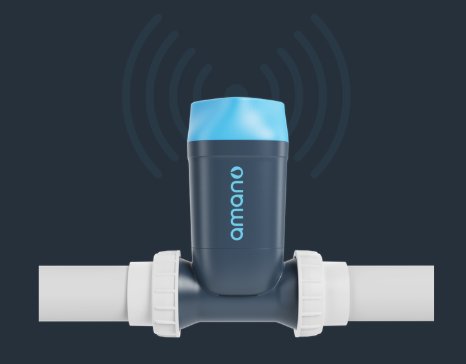
Amano's pH measurement is part of its liquid-reagent testing process rather than an immersed pH chemistry probe. That means the Amano pH test does not require the routine buffer calibration associated with a traditional pH electrode.
Amano still uses consumable reagents and requires device maintenance. The practical distinction is not “maintenance versus no maintenance”; it is a different way of producing and maintaining the chemistry measurement.
The operational appeal is strongest when teams want pH as part of a scheduled reagent chemistry panel and would prefer not to maintain a separate immersed pH electrode for that monitoring function.
Compare pH probe upkeep with Amano reagent testing
See how scheduled reagent pH tests fit a commercial testing program without immersed-probe calibration.
Compare pH Probe Maintenance With Automatic Reagent Testing Request a Demo
For pH probe calibration, the operating team should document the measurement, surrounding conditions, and follow-up action so the next decision is based on evidence rather than memory.
Quick FAQ
What solutions are used to calibrate a pH probe?
Use the buffer solutions specified by the probe/controller manufacturer.
Should I calibrate a dirty probe?
Clean it first when the manufacturer instructs you to do so.
Why does my pH probe keep failing calibration?
Possible causes include sensor aging, contamination, damaged glass, bad buffers, handling errors, or electrical/installation issues.
Does reagent-based pH testing need probe calibration?
A reagent-based pH test does not use the same immersed pH electrode calibration process.
Talk through your pools with us
Thirty minutes, your properties, your water-testing setup. No obligation.
Primary sources and scope
Reviewed September 16, 2026. The sources below provide public-health and label context. Amano product details on this page come from current Amano materials.