Scope: This is general operating guidance. Follow your local health department and adopted code, facility SOP (standard operating procedure), chemical label, and equipment-manufacturer instructions.
First Rule: Do Not Chase One Weird Number
A strange number can come from the water, the probe, the sample stream, the controller, the wiring, or the comparison test. Troubleshooting works best when you separate those possibilities.
Pause automatic assumptions too. If the suspect probe feeds a controller, follow the facility's safe procedure for handling questionable sensor input. The correct response may involve verification, temporary manual oversight, or service—not simply letting a bad signal keep driving feed.
Confirm the Water Independently
Take an appropriate manual test using fresh reagents or a trusted instrument and proper technique. Sample from the correct location and compare the timing carefully.
If the manual result and probe disagree, you now have evidence of a measurement conflict—not proof that the probe is wrong. Repeat or verify the independent method if necessary before escalating.
Use a method appropriate to the parameter. An ORP reading cannot be 'confirmed' by expecting a particular free-chlorine ppm; those are different measurements. Confirm pH with pH and verify ORP using the manufacturer's reference procedure. For the portfolio-wide picture of scheduled testing, alerts, and records, see our guide to commercial pool monitoring.
Check Sample Flow
A sensor in a flow cell needs representative water moving past it. A closed valve, clogged strainer, air pocket, low flow, stagnant line, or incorrect plumbing can create readings that lag behind the actual pool.
This is a wonderfully ordinary cause of very dramatic-looking dashboard behavior. Before replacing electronics, make sure water is actually reaching the electronics.
Compare the flow condition with the controller's normal setup. A recently cleaned strainer, changed valve, or pump service can alter the sample path. Small plumbing changes can create big diagnostic distractions.
Inspect for Fouling
Scale, oils, debris, or films on the sensor can slow response or distort readings. Inspect the probe and clean it only according to the manufacturer's instructions.
If fouling returns frequently, investigate why. The root issue may be water conditions, sample-cell design, flow, or maintenance frequency rather than a defective sensor.
Note what the deposit looks like and how quickly it returns. Repeated scale suggests a different root cause from oily film or debris. The condition of the probe can provide clues about the environment around it.
Verify Calibration or Reference Response
Use the manufacturer's procedure to determine whether the sensor responds correctly to its reference. For pH, that may involve specified buffer solutions. ORP procedures depend on the equipment.
Do not use calibration as a cosmetic adjustment. If the sensor cannot pass the reference procedure, document that failure and continue troubleshooting.
If the sensor passes its reference check but disagrees with the pool test, shift attention back to sampling, water conditions, and interpretation. A passed reference is useful evidence; do not ignore it because it conflicts with the first theory.
Look at Wiring and Connections
Loose connectors, damaged cable, moisture intrusion, electrical noise, grounding issues, or controller problems can affect sensor signals. A perfectly clean probe cannot overcome a compromised electrical path.
Inspect the entire measurement chain, especially when the reading jumps abruptly rather than drifting gradually.
Intermittent electrical faults often create abrupt or noisy behavior rather than a smooth chemistry trend. If the graph looks like a seismograph during an earthquake, inspect the signal path before adding acid.
Ask Whether the Water Really Changed
Sometimes the probe is the messenger and the pool really did move. Chemical feed changes, heavy bather load, pH movement, contamination, circulation interruptions, and fresh water can all produce legitimate changes.
Historical data helps here. If the reading changed at the same time as a known operating event, that context matters.
Compare other parameters and equipment events. A real operational change often leaves more than one clue—pH movement, feed activity, flow alarms, bather load, or another independent measurement.
Know the Difference Between Drift and Response
Drift is a gradual change in sensor output relative to a reference. Response is the sensor reacting to a real change in the water. Those can look similar on a graph if you do not have independent tests or maintenance records.
That is why good troubleshooting combines chemistry, equipment inspection, reference checks, and history.
Trend shape plus maintenance history is powerful. Gradual bias after weeks of service suggests a different investigation than an immediate change after a circulation outage.
Replace Only After You Have Evidence
If the sensor cannot pass the manufacturer's checks, has physical damage, or repeatedly becomes unreliable after proper service, replacement may be justified. Replacing a probe before checking flow, fouling, wiring, and references can turn troubleshooting into expensive guessing.
After replacement, verify the new sensor and record the result. If the 'bad probe' problem survives a new probe, the original diagnosis probably missed the real cause. For the slow version of the same story, see why pool probes drift, and for the testing-model alternative, automatic pool water testing.
Practical Operator Workflow
Use a troubleshooting ladder whenever a pool probe produces a questionable number. Step one is measurement: repeat or independently verify the water test using the correct method. Step two is hydraulics: confirm sample flow, valves, strainers, and the absence of trapped air. Step three is physical condition: inspect the sensor for deposits, damage, and connector problems. Step four is manufacturer verification: clean the probe as directed and test it against the specified reference or buffer. Step five is electrical and controller review: inspect wiring, inputs, settings, and recent service changes. Step six is history: look at whether the signal changed gradually, suddenly, or at the same time as a real operating event. Only after those checks should replacement become the default theory. This order matters because chemical changes made in response to a false reading can create a real water problem on top of the original sensor problem. For automated controllers, facilities should also have a written safe-response procedure for questionable sensor input so technicians know how to maintain appropriate oversight while the measurement is being investigated.
If the questionable probe is tied to chemical feed, the troubleshooting plan should also define who has authority to change controller mode or setpoints while the sensor is under investigation. That decision should not be improvised by whichever employee happens to notice the alarm. A written escalation path protects the pool from both under-treatment and overcorrection. After the issue is resolved, review the event: what first indicated the problem, which check found the cause, and whether an alert or maintenance routine could catch it earlier next time.
Where Amano Fits
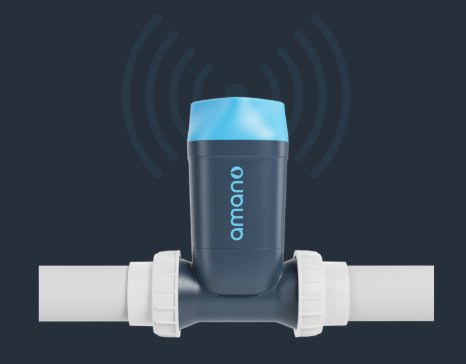
Amano produces its four core chemistry readings through liquid-reagent tests rather than immersed pH and ORP chemistry probes. That removes common probe-specific failure modes such as chemistry-probe fouling, calibration drift, and electrode replacement from those measurements.
A reagent tester has different failure modes—sampling, reagents, fluid handling, and device operation still matter. Every measurement system needs a trustworthy chain.
A reagent-based measurement can provide an independent chemistry history with different failure modes. That can be useful context when an operation is trying to distinguish water behavior from probe behavior.
Compare probe troubleshooting with Amano
See how scheduled reagent tests avoid the most common immersed-probe failure modes.
Compare Probe Monitoring With Amano Reagent Testing Request a Demo
For pool probe problems, the operating team should document the measurement, surrounding conditions, and follow-up action so the next decision is based on evidence rather than memory.
Quick FAQ
Why is my ORP reading wrong?
It may reflect real chemistry, flow problems, fouling, sensor condition, wiring, controller settings, or interpretation of ORP as though it were chlorine ppm.
Why does my pH probe disagree with my test kit?
Either method can be affected by technique or condition. Verify both before changing chemistry.
Should I replace the probe immediately?
Usually troubleshoot flow, cleaning, reference response, wiring, and installation first unless there is obvious physical damage.
Can reagent testing have bad readings too?
Yes. It uses a different measurement chain and still requires maintenance and verification.
Talk through your pools with us
Thirty minutes, your properties, your water-testing setup. No obligation.
Primary sources and scope
Reviewed September 16, 2026. The sources below provide public-health and label context. Amano product details on this page come from current Amano materials.