Scope: This is general operating guidance. Follow your local health department and adopted code, facility SOP (standard operating procedure), chemical label, and equipment-manufacturer instructions.
One Resort Can Behave Like a Small Aquatic Park
Count the water at a typical resort: main pool, spa or two, kids' pool, maybe a lazy river, an adults-only pool, a cold plunge. Each is a separate body of water with its own chemistry, its own load pattern, and often its own regulatory treatment.
That multiplicity is the operational challenge. One pool's chemistry is a task; eight bodies of water are a logistics problem. The team that treats the resort as a portfolio of distinct waters, with shared standards and separate records, is the team that stays ahead of it.
Not Every Body of Water Behaves the Same
The spa runs hot and small, so chemistry moves fast. The lazy river runs long and shallow, so sunlight and bather load distribute differently. The kids' pool sees the heaviest contamination risk relative to its volume. The adults-only pool has the calmest load and the least forgiving guests.
Identical treatment schedules across unlike water is how resorts end up correcting one pool while its neighbor drifts. Monitoring has to report each body of water separately, with its own trends and its own exceptions, because the only thing they reliably share is the engineering team.
The practical consequence: alert thresholds and test schedules should be tuned per body of water, not cloned across the property. The spa's fast-moving chemistry wants tighter exception rules than the lap pool's slow drift. One schedule across unlike water invites over-management in one pool and under-management in another, at the same time, with the same staffing budget. For the portfolio-wide picture of scheduled testing, alerts, and records, see our guide to commercial pool monitoring.
Build a Common Operating View
The resort-level view should answer in one screen: which bodies of water are normal, which need attention, and what happened after the last alert. Consistent parameters, timestamps, and naming across every pool make the view possible; one property reporting "chlorine" and another reporting free chlorine breaks it.
Standardization is the unglamorous hero here. Same core panel, free chlorine, combined chlorine, pH, and total alkalinity, same units, same exception definitions, every body of water. The chemical levels guide covers the panel; the common view is what the panel is for.
Prioritize Exceptions During Busy Periods
Peak season at a resort is exactly when nobody has time to watch dashboards. Exception-driven monitoring inverts the attention model: the system watches everything continuously and only taps a human when a value needs one, with the parameter, the body of water, and the history attached.
Good monitoring makes normal pools boring and busy days survivable. An exception list with three items, each owned, beats a wall of eighteen normal readings that hide the one that matters. The multi-pool monitoring guide covers the exception model in depth.
History Helps With Recurring Trouble Spots
Every resort has its repeat offenders: the spa that fights combined chlorine every Saturday, the kids' pool that needs attention after every camp session. Those patterns are invisible inside one week's records and obvious across a season's.
The timestamped history is what converts a recurring nuisance into a solved problem. When the trend proves the kids' pool spikes every Tuesday after camp, the response moves upstream: scheduling, pre-emptive checks, a conversation with programming. Without the history, the same correction gets purchased weekly forever.
Keep People in the Loop
Resort operations run on people: lifeguards, engineering, recreation staff, and vendors. Monitoring data only helps when it routes to humans who can act, in a format they can use, at a time they can act on it.
That means alerts to the engineering phone, not to a dashboard nobody watches; exception ownership assigned per shift; and a record everyone can read. The technology's job is earlier awareness with better context. The craft of aquatic operations takes it from there.
Practical Operator Workflow
Map every body of water to a named record and a named owner before season start. During operating hours, the exception list drives engineering attention; after close, the trend review picks tomorrow's priorities. Weekly, compare bodies of water against each other, because the one that consumes unusual labor or chemicals is telling you something. Seasonally, use the accumulated history to rewrite the opening checklist from evidence instead of memory.
Where Amano Fits
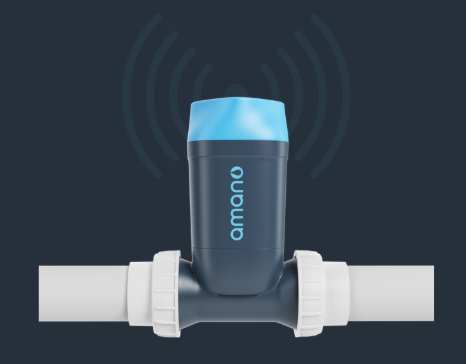
Amano gives every body of water its own scheduled testing routine: reagent-based tests measuring free chlorine, combined chlorine, pH, and total alkalinity, timestamped at every cycle. Alerts go out after completed tests, logs share by QR code without an Amano login, and the whole resort is reviewable in one app.
For resorts, the practical value is the same-data-everywhere effect across unlike bodies of water: each pool and spa on its own timestamped schedule, all of them rolling up into one view. Alerts keep covering the water through peak weekends when the whole team is deployed elsewhere, and the season's history makes next year's opening checklist an evidence document.
Amano supports the operator's process. It does not add chemicals, and it does not replace testing, verification, or safety duties imposed by the local authority having jurisdiction.
See Amano for resort operations
See how scheduled reagent tests cover every body of water on its own schedule, in one view.
Quick FAQ
What is the main takeaway for resort pool monitoring?
Treat the resort as a portfolio of distinct bodies of water: separate records and trends for each, one common operating view, and exception-driven attention during peak periods.
Does automation replace aquatic staff?
No. Automation adds measurements, records, alerts, and history. Lifeguards, physical inspection, correction, and required manual tests stay with people.
Why do different bodies of water need separate monitoring?
Because they behave differently: volume, temperature, depth, sunlight, and bather load all move chemistry differently. One schedule across unlike water guarantees over- and under-management somewhere.
Can resort history really prevent recurring problems?
Yes, when it is timestamped and complete. Recurring patterns tied to programming or season become visible in trends, and visible patterns can be engineered out instead of corrected forever.
Talk through your pools with us
Thirty minutes, your properties, your water-testing setup. No obligation.
Primary sources and scope
Reviewed September 16, 2026. The sources below provide public-health and label context. Amano product details on this page come from current Amano materials.