Scope: This is general operating guidance. Follow your local health department and adopted code, facility SOP (standard operating procedure), chemical label, and equipment-manufacturer instructions.
What High Combined Chlorine Means
Total chlorine is the sum of free chlorine and combined chlorine. Combined chlorine is the portion that has already reacted with nitrogen-containing contaminants and formed chloramines: still attached, still counted on a total chlorine test, but doing very little disinfecting work. When the combined share climbs, more of the chlorine the facility is paying for is occupied instead of available.
High combined chlorine is a signal to investigate load and treatment, not a diagnosis by itself. The 2024 Model Aquatic Health Code lists a combined-chlorine action concentration above 0.4 ppm as a reference value. It is model guidance, not a universal legal limit, so the actual trigger at a given property comes from local adopted code and the facility's own procedures.
Bather Waste Is a Major Input
Sweat, urine, and other nitrogen-containing material introduced by bathers reacts with free chlorine to form chloramines. The CDC identifies bather waste as a primary source of chloramine formation, which is why high-use lessons, team practices, events, and crowded weekends can create repeatable combined-chlorine patterns.
This is the first pattern-matching opportunity: if combined chlorine climbs on days with swim lessons and settles on quiet weekdays, the pool is showing a load-driven pattern rather than an equipment fault. The fix under the facility procedure looks different for each, so separating them early saves chemical and labor. For the portfolio-wide picture of scheduled testing, alerts, and records, see our guide to commercial pool monitoring.
Contamination Events Can Spike Demand
A fecal, vomit, or other contamination event changes the operating situation and may require a specific public-health response. Follow the applicable incident procedure rather than treating it as routine combined-chlorine management.
These responses are their own protocol, with their own concentration and contact-time requirements set by public-health guidance and local code. They are not a normal adjustment, and logging them as one distorts the facility's history. Record the incident, the response, and the follow-up test as their own event.
Treatment and Turnover Matter
Filtration, circulation, sanitizer delivery, and water replacement influence how the facility handles contaminant load. A recurring chemistry problem can be partly operational even when the initial symptom is a chlorine number.
Dead zones with weak circulation let contaminants linger and react. Water that has carried a heavy dissolved load for months resists correction, and partial water replacement is sometimes part of the answer under facility procedure. If combined chlorine stays stubborn after corrections that used to work, the investigation should widen from the chemistry panel to the equipment room.
Indoor Air Can Reveal a Pattern
The strong smell people call "too much chlorine" is usually chloramine odor, which is a sign of the opposite problem. Around an indoor pool, strong odor plus eye or airway irritation can accompany chloramine issues, but the nose cannot quantify combined chlorine. Use water testing, and review ventilation performance together with the chemistry.
Certain chloramines off-gas into the air above the water surface, and air handling is what removes them. When swimmer complaints about smell or irritation line up with elevated combined-chlorine readings, the investigation belongs to both the water and the ventilation system.
Testing Technique Can Create False Alarms
Combined chlorine is usually calculated, not measured directly: total chlorine minus free chlorine. Two measurements means double the opportunity for error. Sloppy sample volume, old reagents, timing errors, or poor instrument handling can magnify the apparent difference and produce a scary number from healthy water.
Before diagnosing the water, verify the test. Fresh reagents, correct technique, a clean sample cell, and a retest on a fresh sample eliminate most false alarms in minutes. The cheapest combined-chlorine correction is the one that turns out to be a testing error.
Look for Recurring Time-of-Day Patterns
A result that rises every afternoon after lessons tells a different story from a random one-time spike at opening. Pair chemistry timestamps with programming and occupancy.
Patterns point at causes: a repeatable climb tied to a class schedule is a load story, a climb after backwashing or a rainstorm is an operations story, and a spike with no pattern at all deserves a second test before any treatment decision. Randomness is a reason to verify, not to dose.
Free Chlorine Adds Context
Free chlorine answers how much disinfectant residual is available right now. Combined chlorine describes a different portion of chlorine chemistry: the part already bound to contaminants. Both values are needed to understand the panel, and neither one can be interpreted alone.
The 2024 MAHC lists a minimum free chlorine of 1 ppm as a reference value for public pools, with local adopted code setting the actual requirement. A pool can show an acceptable free-chlorine number and still carry a rising combined-chlorine share, which is exactly the situation that slips past single-value checks.
Build a Root-Cause Record
Log suspected cause, corrective action, and follow-up result. Over several events, those notes can reveal whether the facility is dealing with load, treatment capacity, testing inconsistency, or another repeat problem.
The useful fields are simple: the original result with its timestamp, the surrounding conditions, what action was taken under facility procedure, who took it, and the follow-up result. That record prevents the next shift from repeating an adjustment that already failed, and it gives a supervisor the evidence to escalate recurring conditions instead of rediscovering them monthly.
Practical Operator Workflow
Standardize the fields and escalation rules so a technician at one site handles the same condition the same way as a technician at another. Supervisors should be able to see the original result, what action was taken, and the follow-up result. That closes the loop and prevents the classic pool-operations sequel: the same problem returning next Tuesday wearing a fake mustache.
What Good Operations Look Like
A well-run program for high combined chlorine is predictable. Staff know which measurement to trust, which surrounding conditions to inspect, who owns the response, and how quickly a follow-up test is required. The log shows the original condition and the result after correction instead of stopping at the moment somebody added chemical. Supervisors can distinguish a one-time excursion from a property that is consuming unusual labor or chemicals. That is the operational standard: not perfectly flat chemistry, but a repeatable process that notices change, explains it, responds appropriately, and learns from the history.
Where Amano Fits
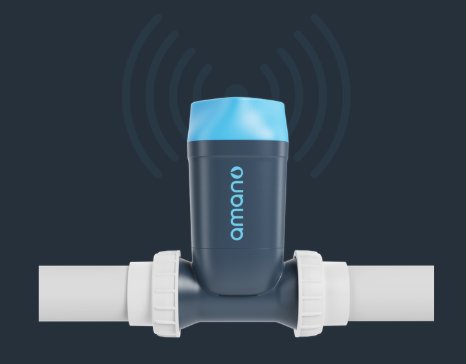
Amano runs scheduled reagent-based water tests for commercial pools, measuring free chlorine, combined chlorine, pH, and total alkalinity on a schedule the team sets. Every result is timestamped, alerts go out after completed tests, and logs can be shared by QR code without an Amano login.
For a property chasing repeat combined-chlorine patterns, the practical value is the record. Scheduled tests build more observations per week than manual testing alone, each one timestamped, so the afternoon-after-lessons climb shows up as a trend line instead of a surprise. Supervisors can review completed tests across multiple properties in one app, which makes the one-site-versus-portfolio comparison a two-minute check instead of a spreadsheet project.
Amano supports the operator's process. It does not add chemicals, and it does not replace testing, verification, or safety duties imposed by the local authority having jurisdiction.
See combined chlorine trends on your pools
See how scheduled reagent tests track combined chlorine alongside free chlorine, pH, and total alkalinity.
Quick FAQ
Is high combined chlorine the same as high free chlorine?
No. They describe different parts of chlorine chemistry. Free chlorine is the available disinfectant residual; combined chlorine is the portion already bound to nitrogen-containing contaminants. A pool needs the first and wants as little of the second as possible.
Can swimmers cause combined chlorine?
Yes. Bather-introduced nitrogen compounds, including sweat and urine, are a primary source of chloramine formation. Busy sessions and swim lessons are the classic drivers, which is why combined chlorine often tracks the programming calendar.
Can bad testing create a false high result?
Yes. Because combined chlorine is usually calculated as total chlorine minus free chlorine, errors in either measurement land in the result. Technique, reagent freshness, and instrument condition matter twice as much as they do for a direct test.
Does ORP measure combined chlorine?
No. ORP is a measure of the water's oxidation potential, not a direct combined-chlorine concentration test. It can move with conditions that also affect chloramines, but it cannot report combined chlorine in ppm.
Talk through your pools with us
Thirty minutes, your properties, your water-testing setup. No obligation.
Primary sources and scope
Reviewed September 16, 2026. The sources below provide public-health and label context. Amano product details on this page come from current Amano materials.