Scope: This is general operating guidance. Follow your local health department and adopted code, facility SOP (standard operating procedure), chemical label, and equipment-manufacturer instructions.
Start by Confirming the Number
Combined chlorine is commonly derived from two measurements: total chlorine minus free chlorine. Small testing errors in either value can materially change the calculated difference, so an unexpected result earns a retest before it earns a correction.
Repeat the test with fresh reagents, correct sample handling, and proper timing before escalating. The 2024 Model Aquatic Health Code lists a combined-chlorine action concentration above 0.4 ppm as a reference value, but it is model guidance rather than a universal legal limit. The trigger that matters at a given property comes from local adopted code and the facility operating plan. For background on what this number actually describes, see what combined chlorine is.
Why Combined Chlorine Rises
Chlorine reacts with nitrogen-containing contaminants introduced by swimmers and other sources, creating chloramine species. Sweat and urine are the classic contributors, which is why the CDC identifies bather waste as a primary source of chloramine formation in pools.
A busy facility can therefore see combined chlorine rise as contaminant load rises. Swim lessons, team practices, and weekend peaks all push more nitrogen into the water, and the chlorine residual works on that load instead of standing by as available disinfectant. For the portfolio-wide picture of scheduled testing, alerts, and records, see our guide to commercial pool monitoring.
Review Free Chlorine and pH Together
A combined-chlorine result makes more sense beside free chlorine and pH. Free chlorine shows the available disinfectant concentration, while pH affects chlorine chemistry and belongs in every operating picture. The 2024 MAHC lists a reference pH range of 7.0 to 7.8 and a minimum free chlorine of 1 ppm for public pools, with local adopted code setting the actual requirements.
Reading the three values together separates very different situations. High combined chlorine with solid free chlorine is a load and oxidation story. High combined chlorine with sagging free chlorine is a demand story. The response under the facility procedure is not the same, and the difference between free and combined chlorine is what tells them apart.
Reduce the Inputs You Can Control
Pre-swim shower policies, contamination response, good filtration and circulation, and sensible bather management can reduce avoidable load. The objective is not to blame swimmers; it is to reduce the material the treatment system must handle.
Small operational moves compound here. Enforced showering before entry, bathroom breaks scheduled into long swim programs, and quick response to contamination events all shrink the nitrogen supply before it ever reaches the chlorine residual. Filtration and circulation maintenance keeps the treated water moving through the zones where contaminants concentrate.
Follow the Facility Corrective Procedure
Commercial pools should use the corrective method required by their code and operating plan. The classic approach to destroying chloramines is breakpoint chlorination, where enough additional chlorine is applied to oxidize the combined compounds, but the actual dose, product, and process belong to the chemical label, facility SOP, and local requirements.
Thresholds, closure rules, and treatment steps vary by jurisdiction, so a universal shock-dose recipe does not belong on a national commercial-pool page. When the reading is confirmed and the decision is made, the facility's written procedure and the authority having jurisdiction define what happens next.
Indoor Pools Need Ventilation Attention
Certain chloramines are volatile, and trichloramine in particular off-gasses from the water surface into the air above it. That is why the strong smell people blame on "too much chlorine" usually signals the opposite: chloramines building up faster than the water and air systems can clear them.
Persistent odor or irritation complaints deserve coordination between pool operations and HVAC staff rather than a water-only response. The CDC recommends reviewing ventilation performance alongside water chemistry for indoor pools, because fixing the water without addressing the air, or the reverse, leaves half the problem running.
Retest After Corrective Action
A correction is not complete until a follow-up test shows what happened. Record the original value, the action taken, the time, and the verified result so the next shift can see whether the intervention worked.
This step is where many facilities quietly lose the thread. The correction gets applied, the log gets a single line, and nobody confirms the outcome until the next scheduled test hours later. A prompt retest closes the loop while the context is still fresh, and it catches the cases where the first correction undershot.
Use Trends to Prevent Repeat Problems
If combined chlorine rises after the same swim program or weekend peak, the facility has a recurring load pattern rather than a series of unrelated accidents. That distinction is what turns reaction into prevention.
Trend data can support preventive staffing, treatment review, and bather-management decisions. A property that can see the Tuesday-afternoon climb three weeks in a row can adjust the plan before the fourth Tuesday, instead of discovering the pattern again from a complaint. This is also where the causes of high combined chlorine get separated into load, treatment, and testing stories.
What Not to Do
Do not infer combined chlorine from smell, ORP, or a generic chlorine display. Odor is subjective and ORP is not a direct combined-chlorine measurement; only a test that reports total and free chlorine can produce the number.
Do not keep adding chemicals to chase a questionable result, and do not assume a treatment used at another facility is permitted at this one. Unverified corrections create the chemistry roller coaster that consumes product, destabilizes pH, and still fails the follow-up test.
Practical Operator Workflow
Write the combined-chlorine playbook down: what confirms the reading, who can approve the corrective action, what the follow-up test must show, and when the supervisor gets pulled in. A technician covering a sister property should run the same sequence without a phone call. The escalation rule matters most after hours, when the choice is between a documented decision tree and a guessing contest.
What Good Operations Look Like
A facility that handles combined chlorine well looks boring from the deck. Readings get confirmed before they get treated, corrections follow the written procedure, and every action ends with a follow-up test on the record. The trend chart shows load patterns the team already knows about, because they found them in the data before the members found them in the air. The goal was never a flat line; it is a team that sees change early, responds once, and does not meet the same problem twice.
Where Amano Fits
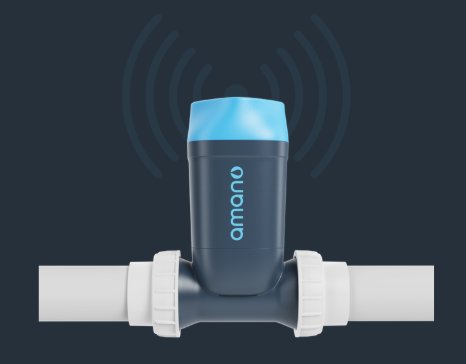
Amano performs scheduled reagent-based water tests for commercial pools: free chlorine, combined chlorine, pH, and total alkalinity, on a schedule the team controls. Results are timestamped automatically, alerts go out after each completed test, and any log can be shared by QR code without an Amano login.
For a facility working to keep combined chlorine down, the practical value is frequency plus history. Scheduled tests capture the post-lessons climb and the overnight recovery on the same timeline, so the team can see whether corrective actions are actually holding or just buying a few hours. Supervisors can review completed tests across multiple properties in one app and spot which site keeps fighting the same pattern.
Amano supports the operator's process. It does not add chemicals, and it does not replace testing, verification, or safety duties imposed by the local authority having jurisdiction.
Track combined chlorine on a schedule
See how scheduled reagent tests for free chlorine, combined chlorine, pH, and total alkalinity fit your properties.
Quick FAQ
Can I lower combined chlorine by simply adding more chlorine?
Use the corrective process required by the facility and jurisdiction. Breakpoint chlorination is the classic method, but the correct dose depends on the measured values, the product label, and the facility procedure. Confirm the reading and diagnose the operating conditions rather than applying a universal dose.
Should I close the pool?
Closure requirements depend on the measured condition and applicable code. Follow the authority having jurisdiction and the facility response plan, and document the readings and decisions behind any closure.
Why does combined chlorine return?
Recurring bather load, contamination events, treatment limitations, or indoor-air issues can recreate the same pattern. A trend history usually shows whether the driver is the schedule, the equipment, or the water itself.
Can automatic testing help?
It can provide repeated, timestamped combined-chlorine results that make recurring patterns easier to see. The <a href="/commercial-pool-monitoring/">commercial pool monitoring</a> guide covers how scheduled automated testing fits into an operating program.
Talk through your pools with us
Thirty minutes, your properties, your water-testing setup. No obligation.
Primary sources and scope
Reviewed September 16, 2026. The sources below provide public-health and label context. Amano product details on this page come from current Amano materials.