Scope: This is general operating guidance. Follow your local health department and adopted code, facility SOP (standard operating procedure), chemical label, and equipment-manufacturer instructions.
Hotels Have Chemistry Plus Guest Expectations
A hotel pool answers to a harsher judge than most commercial pools: guests who chose the property partly for the amenity and who will photograph a cloudy pool before they report it. The chemistry standards are the same as any commercial pool; the cost of failing them is reputational as much as operational.
That pressure changes what monitoring is for. It is not only about catching out-of-range water; it is about catching it before the first guest of the morning does. The operating window between "chemistry drifting" and "lobby complaint" is exactly where scheduled automated visibility earns its keep.
Bather Load Can Change Fast
Hotel pools see load swings that residential-style schedules cannot anticipate: the conference that empties into the pool at 5 PM, the youth sports team that books fifteen rooms, the holiday weekend that triples normal occupancy. Chlorine is constantly being asked to do work, and bather load is what assigns the work.
Static test schedules struggle with dynamic load. A morning reading says nothing about the post-conference evening unless someone tests again, and engineering is busiest exactly when the hotel is fullest. Timestamped readings across the day are what connect occupancy events to chemistry events, and the combined chlorine guide explains what heavy load does to the water. For the portfolio-wide picture of scheduled testing, alerts, and records, see our guide to commercial pool monitoring.
Engineering Shifts Need Clean Handoffs
Hotel engineering runs shifts, and pool care crosses all of them. The overnight engineer sees the recovery; the morning engineer sees the result; and neither sees the other's context unless the record carries it.
A shared timestamped log makes the handoff boring: what the water did, what was done about it, what the follow-up showed. No verbal relay, no notebook in a back office, no "I think day shift shocked it." The pool's story belongs to the record, not to whoever happened to be on shift.
Spas and Multiple Bodies of Water Complicate the Picture
Most hotels run more than one body of water: the main pool plus a spa, sometimes a kids' pool or a second outdoor pool. Each has its own chemistry personality, its own bather load, and often its own code requirements, and a log that lumps them together is a liability with page numbers.
Spas deserve special attention in monitoring because their small volume and high temperature move chemistry faster than the main pool. Records, alerts, and readings must name the body of water unambiguously, every time, because a spa reading filed as a pool reading is a wrong record. The chemical levels guide covers what belongs on each panel.
Remote History Helps Managers Ask Better Questions
General managers and directors of engineering do not need to watch chemistry; they need to interrogate it occasionally. Remote access to timestamped history turns their questions from "did anyone test the pool" into "why does the spa keep drifting on weekends," which is the question that actually fixes things.
The best log is not the one with the fanciest dashboard; it is the one a manager can understand without archaeology. When the GM can pull the pool's month from their phone during a brand standard review, the property's pool program has grown up. For the compliance-records angle in hospitality, see hotel pool monitoring and water-testing compliance.
Monitoring Should Support, Not Replace, Rounds
Hotel pools typically operate under local rules that include physical checks and manual tests at set intervals, and none of that goes away because a device is reporting. Monitoring fills the gaps between rounds; it does not cancel them.
The practical division: scheduled automated tests keep the chemistry timeline dense, and engineering rounds keep eyes on everything no instrument sees, from water clarity to drain covers to the gate latch. The property that runs both layers is the property that catches problems in hours instead of reviews.
Practical Operator Workflow
Build the pool into the existing engineering rhythm rather than beside it: overnight alerts reviewed at morning rounds, mid-day readings checked against occupancy events, and weekend patterns reviewed monthly. Every body of water gets its own trend, and every exception gets a name and a follow-up test. When a brand or ownership group oversees multiple hotels, the same routine rolls up into the portfolio view without a second process.
Where Amano Fits
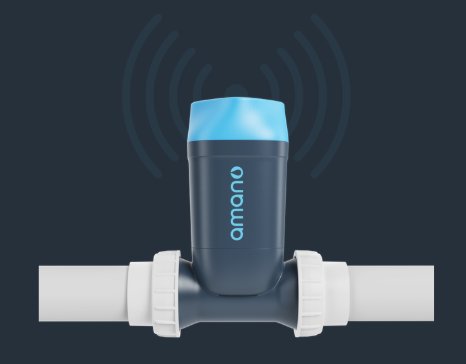
Amano watches the water between engineering rounds: scheduled reagent-based tests measure free chlorine, combined chlorine, pH, and total alkalinity for commercial pools on the team's schedule. Results are timestamped, alerts go out after completed tests, logs can be shared by QR code without an Amano login, and completed tests are reviewable in one app.
For hotels, the practical value is coverage during the hours engineering is busiest elsewhere: scheduled tests keep measuring through the conference rush and the holiday weekend, alerts flag the drift before the pool deck notices it, and the timestamped history gives managers, owners, and brand reviewers the same defensible record. Built-in cellular reporting keeps the data flowing from below-grade equipment rooms where property Wi-Fi does not reach.
Amano supports the operator's process. It does not add chemicals, and it does not replace testing, verification, or safety duties imposed by the local authority having jurisdiction.
See Amano for hotel pools
See how scheduled reagent tests watch the water through your busiest occupancy swings.
Quick FAQ
What is the main takeaway for hotel pool monitoring?
Protect the guest experience by catching chemistry drift between rounds. Scheduled automated tests, timestamped records per body of water, and clean shift handoffs do the heavy lifting.
Does monitoring replace engineering rounds?
No. Rounds cover physical conditions, safety equipment, and required manual checks. Monitoring adds continuous chemistry visibility between them. The layers support each other.
Why track the spa separately from the pool?
Spas move chemistry faster: smaller volume, higher temperature, heavier relative bather load. Their readings, alerts, and records must stay distinct from the main pool's.
Can managers review pool data remotely?
Yes. Timestamped histories in an app let GMs and owners review any property's chemistry record without being on site, which turns oversight from a phone call into a two-minute read.
Talk through your pools with us
Thirty minutes, your properties, your water-testing setup. No obligation.
Primary sources and scope
Reviewed September 16, 2026. The sources below provide public-health and label context. Amano product details on this page come from current Amano materials.