Scope: This is general operating guidance. Follow your local health department and adopted code, facility SOP (standard operating procedure), chemical label, and equipment-manufacturer instructions.
Public Pools Need Defensible Processes
A municipal pool's records are public-business records. They can surface in inspection reports, council questions, open-records requests, and occasionally litigation. Every number in the log may someday need to answer the question "how do you know?"
Defensibility is a process property, not a technology property. It comes from documented methods, consistent measurements, clear provenance for every value, and a record that shows problems being found and fixed. Monitoring equipment contributes data; the defensibility comes from how the department uses it.
Standardize Across Facilities
Cities and counties rarely run one pool. Recreation departments operate networks of facilities: community pools, splash pads, competition pools, seasonal outdoor sites, often with different ages, equipment, and staffing models.
Standardizing the measurement and reporting layer across sites is what lets a small aquatics team oversee all of them. Same parameters, same units, same record format, same escalation rules, every facility. The multi-pool monitoring guide covers the standardization work, and the public-sector twist is that consistency also simplifies every future audit.
Standardization also travels with staffing changes. Municipal aquatics teams see seasonal hiring every year, and a consistent measurement and record format is what lets a June hire produce September-quality documentation. The system carries the standard so the training burden does not. For the portfolio-wide picture of scheduled testing, alerts, and records, see our guide to commercial pool monitoring.
Keep a Clear Audit Trail
The audit trail requirement is stronger in public operation: who tested, what method, when, what the value was, what happened next, and who verified the fix. Automated readings should be labeled as automated, manual readings attributed to a person, and edits preserved.
A clean audit trail protects everyone, including the public. It lets a supervisor reconstruct any day, lets an inspector verify the process rather than just the water, and lets the department demonstrate diligence from evidence rather than assurance. The commercial pool logs guide covers the record structure that makes this work.
Use Automation Between Required Checks
Municipal pools operate under adopted codes that specify testing frequency, methods, and records, and none of those obligations transfer to a device. Automation adds measurements between the required manual checks; it does not substitute for them.
The additive model is the only defensible one: scheduled automated tests build a dense timeline and early warnings, manual verification confirms surprising readings, and required physical checks stay on their legal schedule. CDC's Model Aquatic Health Code is national model guidance, but the local adopted code is the law of the pool, and the monitoring plan should document that relationship explicitly.
Make Supervisor Visibility Useful
Aquatics supervisors in municipal settings split attention across facilities, staffing, programming, and budget season. Monitoring data serves them when it arrives as exceptions and trends rather than feeds: which facility needs attention, what recurs, and where the next budget dollar earns the most safety.
Supervisor visibility done right also strengthens the department's position upward. Walking into a budget or council conversation with timestamped histories and documented response times is a stronger posture than any testimony about how hard the team works.
Procure the Measurement Method, Not the Buzzword
Public procurement rewards specificity. "Pool monitoring system" describes a hundred products with fundamentally different measurement methods: continuous sensors, ORP-based controllers, scheduled reagent testers, and software-only logging. The method determines maintenance burden, data meaning, and what the readings can defensibly support.
Bid documents should name the measurement method, the parameters measured, the maintenance model, the connectivity path, and the record format. How to choose a commercial pool monitoring system walks through those evaluation questions in the order that exposes weak fits early.
Practical Operator Workflow
Document the monitoring plan as part of the facility's standard operating procedures: what is automated, what stays manual, who verifies, who responds, and how records are retained per the adopted code and public-records policy. Train every aquatics hire on both layers in the same week. Review the automated record monthly against manual verification results, because a public pool's trust in its instruments should be earned continuously and documented as it goes.
Where Amano Fits
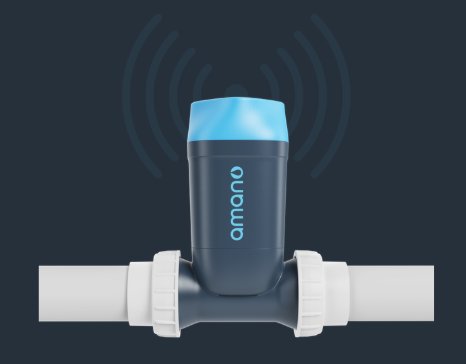
Amano produces scheduled reagent-based chemistry measurements for commercial pools: free chlorine, combined chlorine, pH, and total alkalinity, each result timestamped and labeled as an automated reading. Alerts follow completed tests, logs can be shared by QR code without an Amano login, and multiple facilities are reviewable in one app.
Amano's current focus is commercial pools at apartments, hotels, HOAs, and pool service companies. For public-sector facilities evaluating monitoring approaches, the model this guide describes, scheduled automated measurements with clear provenance layered on top of required manual checks, is exactly the architecture Amano is built on, and the same evaluation questions apply to any system on a bid list.
Amano supports the operator's process. It does not add chemicals, and it does not replace testing, verification, or duties imposed by the authority having jurisdiction.
See Amano for public aquatic facilities
See how scheduled reagent tests build a defensible, timestamped record between required checks.
Quick FAQ
What is the main takeaway for municipal pool monitoring?
Automation supplements, never substitutes. Required manual checks stay on their legal schedule; automated measurements add density, early warning, and a defensible audit trail between them.
Are automated readings acceptable to inspectors?
Acceptance varies by jurisdiction. Label automated readings as automated, keep manual verification in the workflow, and confirm expectations with the local authority before relying on any automated record.
How do public pools standardize across facilities?
Same parameters, units, record format, and escalation rules at every site. Consistency is what lets a small team oversee many facilities and what makes audits survivable.
What should a bid document specify for monitoring equipment?
The measurement method, parameters measured, maintenance model, connectivity path, record format, and how automated readings are labeled. Procure the method, not the marketing category.
Talk through your pools with us
Thirty minutes, your properties, your water-testing setup. No obligation.
Primary sources and scope
Reviewed September 16, 2026. The sources below provide public-health and label context. Amano product details on this page come from current Amano materials.