Scope: This is general operating guidance. Follow your local health department and adopted code, facility SOP (standard operating procedure), chemical label, and equipment-manufacturer instructions.
What Low Total Alkalinity Means
Low total alkalinity means the water has less buffering capacity against pH change. The 2024 Model Aquatic Health Code lists a reference total alkalinity range of 60 to 180 ppm, with local adopted code and the facility operating plan setting the actual target.
The practical concern is not the alkalinity number alone but how easily pH can move when acids or bases enter the system. A low-alkalinity pool is a pool where small inputs produce large swings, and operators experience it as pH that refuses to hold still no matter how carefully it is corrected.
Acidic Inputs Can Consume Alkalinity
Acid additions consume alkalinity as they neutralize the bicarbonate and carbonate buffering. A facility with heavy acid use may therefore see alkalinity trend downward over time, sometimes without anyone connecting the two.
This is the quiet trade built into every pH correction: lowering pH with acid spends some of the buffer. A property locked in daily pH corrections is spending alkalinity daily too, and the buffer eventually runs low enough that pH becomes even harder to manage. The cycle is self-reinforcing, and pH vs. alkalinity covers the mechanics. For the portfolio-wide picture of scheduled testing, alerts, and records, see our guide to commercial pool monitoring.
Source Water May Arrive Low
If makeup water has low alkalinity, frequent backwashing, splash-out replacement, or leaks can gradually dilute the pool's buffering capacity. Every refill trades pool water for source water, and source water brings its own chemistry.
Testing the fill water's alkalinity is a two-minute check that often explains a slow, stubborn decline. If the source runs soft, the pool is fighting gravity, and the management plan needs to account for the incoming water rather than treating the pool in isolation.
Why pH Can Become Less Stable
With less buffering, routine chemical additions or contamination can produce larger pH changes. Operators may notice that pH becomes harder to keep steady even when feed settings have not changed.
The instability pattern is distinctive: corrections overshoot, small events produce big swings, and the log shows pH scattered on both sides of the target instead of clustering near it. When a pool's pH behavior degrades without an obvious feed change, alkalinity is the first number to recheck.
Chemical Feed Deserves a Review
Unexpectedly rapid alkalinity loss can be a clue that acid is being overfed. A controller commanding more acid than the water needs spends buffer faster than the chemistry alone would suggest.
Check controller setpoints, probe performance, pump output, interlocks, and recent service. If a pH probe reads high, the controller feeds acid the water never asked for, and alkalinity pays the bill. pH probe calibration covers the verification side of that check.
Confirm the Result
Use a properly performed alkalinity test before correcting. Endpoint errors, old reagents, or incorrect sample volume can create a false low reading, and a false low invites an unneeded correction in the base direction.
Repeat a surprising result with fresh reagents and careful endpoint recognition. Alkalinity corrections take time and product, and the confirmation test is the cheapest insurance in the process.
Correct Gradually Under the Facility Procedure
Raise alkalinity using the facility's approved method and retest. Commercial pools operate under adopted code, SOPs, and chemical labels, so the specific product and dose belong to the facility's procedure rather than a generic chart.
The objective is controlled recovery, not a heroic one-shot dose that creates a different chemistry problem. Alkalinity-raising products can nudge pH upward as they work, so staged additions with retesting between steps keep both numbers inside the target while the buffer rebuilds.
Track Consumption Over Time
Record how often alkalinity needs correction and compare that with acid use and makeup water. Rising consumption can reveal a process problem before staff recognize it from individual tests.
A pool that needed alkalinity increaser twice last season and twice this month has a changed process somewhere upstream: more acid going in, different source water, a new leak, or new feed equipment. The consumption record is often the earliest visible signal.
Do Not Treat Alkalinity in Isolation
Review pH, sanitizer chemistry, source water, and treatment history at the same time. Alkalinity is part of a system, not a standalone score.
The system view is what prevents the classic mistake: correcting alkalinity, discovering pH moved, correcting pH, discovering alkalinity moved back. Each adjustment touches both numbers, so both belong in the same test cycle and the same log entry.
Practical Operator Workflow
Treat every alkalinity correction as a data point in a larger question: why is the buffer falling? The technician logs the reading and the correction; the supervisor compares consumption against acid use and makeup water monthly. When the answer changes, the process review starts. Consumption that climbs without an explanation is the facility asking for attention.
What Good Operations Look Like
A facility managing low alkalinity treats the buffer as a budget. Acid use, makeup water, and corrections are reviewed together, so the spending is visible before the account runs dry. pH stability is the scoreboard, and when it wobbles, the alkalinity trend is the first thing on the screen. Corrections are gradual, verified, and logged, because the team has seen what heroic one-shot dosing does to both numbers.
Where Amano Fits
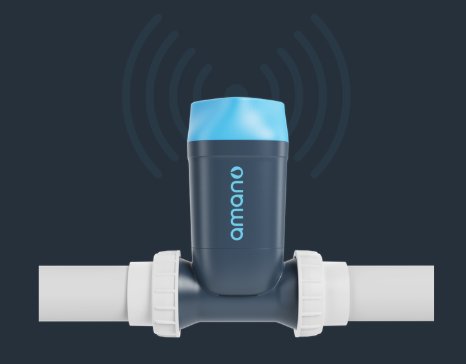
Amano includes total alkalinity in every scheduled reagent-based test cycle, alongside pH, free chlorine, and combined chlorine. Results are timestamped automatically, alerts go out after completed tests, and logs can be shared by QR code without an Amano login.
For a property managing low alkalinity, the practical value is early detection of the slide. Scheduled alkalinity tests show the buffer eroding across days instead of surprising the team after pH has already gone unstable, and alerts after completed tests flag the low reading while the correction is still small. Supervisors can compare alkalinity trends across properties in one app and see which site's acid program is quietly spending its buffer.
Amano supports the operator's process. It does not add chemicals, and it does not replace testing, verification, or safety duties imposed by the local authority having jurisdiction.
Monitor total alkalinity automatically
See how scheduled reagent alkalinity tests catch the buffer eroding before pH goes unstable.
Quick FAQ
What causes low alkalinity?
Acidic chemical inputs that consume the buffer, low-alkalinity source water diluting the pool, and treatment history all contribute. Heavy daily acid use is the most common quiet driver.
Why does low alkalinity matter?
Lower buffering makes pH vulnerable to change, so small chemical inputs or contamination events produce large swings. The pool becomes harder and more expensive to hold in range.
Should I correct pH or alkalinity first?
Follow the facility procedure and consider both measurements together. The correct sequence depends on the water and the treatment plan, and each adjustment affects both numbers, so retesting between steps matters either way.
Can trends reveal the cause?
Yes. Repeated declines that follow specific feed events, refill events, or programming patterns point toward the source. Timestamped alkalinity and pH readings together usually name the driver within a few weeks.
Talk through your pools with us
Thirty minutes, your properties, your water-testing setup. No obligation.
Primary sources and scope
Reviewed September 16, 2026. The sources below provide public-health and label context. Amano product details on this page come from current Amano materials.