Scope: This is general operating guidance. Follow your local health department and adopted code, facility SOP (standard operating procedure), chemical label, and equipment-manufacturer instructions.
What High Total Alkalinity Means
High total alkalinity means the water has greater acid-neutralizing capacity than the target established for that facility. The 2024 Model Aquatic Health Code lists a reference total alkalinity range of 60 to 180 ppm, with local adopted code and the facility operating plan setting the actual target.
High alkalinity rarely announces itself directly. It shows up operationally as increased resistance to pH adjustment: corrections that used to work stop moving the number, acid demand climbs, and pH starts rebounding after every fix. The alkalinity reading explains all three complaints at once.
Source Water Can Start High
Some municipal or well water enters the pool with substantial alkalinity. If makeup water is the main source, repeated dilution and refill can continuously replenish alkalinity even after treatment brings the pool down.
This is the most common reason high alkalinity refuses to stay corrected. The facility lowers the pool, backwashes or refills, and the fill water quietly rebuilds the buffer it just removed. Testing the source water's alkalinity converts this from a recurring mystery into a known input with a number attached. For the portfolio-wide picture of scheduled testing, alerts, and records, see our guide to commercial pool monitoring.
Chemical Additions Can Raise It
Bicarbonate-based alkalinity increasers raise total alkalinity directly, and other treatment choices can push it indirectly. Review recent chemical additions before assuming the water changed on its own.
The review includes the near-past, not just today: alkalinity rises slowly from repeated additions, so the product that caused this week's reading may have been added across the last month. A quick scan of the purchase order or feed log often names the driver faster than any test.
Why pH Management May Get Harder
Greater buffering means more acid may be needed to achieve the same pH movement. In aerated pools, operators can see a frustrating cycle of acid addition followed by pH rebound, with chemical consumption climbing the whole time.
The rebound is physics, not bad luck. Aeration continuously pushes pH upward by driving off carbon dioxide, while the high buffer resists every correction. Facilities stuck in this cycle are treating the pH symptom of an alkalinity condition, and the pH vs. alkalinity relationship explains why the cycle only breaks when the buffer gets addressed.
Aeration Can Complicate the Picture
Aeration drives carbon dioxide out of the water and tends to raise pH without directly adding alkalinity. That distinction helps explain why pH can keep climbing while alkalinity remains relatively high and stable.
Fountains, spillovers, spa jets, and aggressive returns all increase the gas exchange. When a property reports both stubbornly high alkalinity and a pH that keeps rising, the aeration schedule is usually the missing third number in the story.
Confirm the Test Before Correcting
Alkalinity titrations depend on sample volume, endpoint recognition, and reagent condition. A reading that surprises should be repeated before it triggers a multi-step adjustment program.
Repeat a surprising result with fresh reagents and a careful endpoint. Alkalinity corrections involve more chemical and more time than most routine adjustments, which makes the two-minute confirmation test the cheapest step in the whole process.
Follow a Controlled Adjustment Process
Use the facility's approved chemistry procedure and make measured changes with retesting between steps. Avoid importing a residential-pool recipe into a regulated commercial facility without checking code and equipment constraints.
Commercial pools operate under adopted code, facility SOPs, and chemical labels, all of which govern what can be added and how. The correct dose for a given pool depends on its volume, its current chemistry, and the product being used, which is why national pages give processes rather than recipes.
Watch the Trend After Water Replacement
If alkalinity rises after backwash makeup or refill, source water may be the recurring driver. Recording source-water alkalinity alongside pool readings can make the pattern obvious within a few weeks.
The trend comparison is simple: line up the pool's alkalinity readings with refill events. If the climb follows the fill, the water entering the pool is the input to manage, and the correction strategy shifts from repeated treatment to managing what comes in.
Avoid Aggressive One-Step Corrections
Large corrections can overshoot targets or create unnecessary pH movement, because the chemicals that move alkalinity also move pH. A staged approach gives the operator feedback after each adjustment and reduces the temptation to chase chemistry.
The seesaw from aggressive correction is expensive in both directions: chemical cost, labor, and the swimmer-facing swings in between. Controlled changes under the facility procedure, with retesting between steps, cost less than the overshoot-and-correct cycle every time.
Practical Operator Workflow
Assign the buffer a watcher. Alkalinity moves slowly, so it gets ignored until pH becomes unmanageable, at which point the fix is bigger and slower. A weekly review of alkalinity against source water and chemical additions catches the climb early, when the response is still a conversation instead of a project.
What Good Operations Look Like
A facility managing high alkalinity knows its source water's number as well as its pool's. Corrections are staged, retested, and logged, and the rebound pattern is watched rather than cursed. Acid consumption is tracked as a signal, so a climbing buffer gets addressed while the fix is still small. The team expects the trend to move slowly and manages it patiently, which is exactly the speed the chemistry rewards.
Where Amano Fits
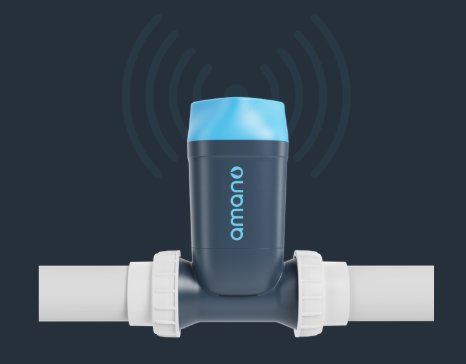
Amano runs scheduled reagent-based tests that measure total alkalinity alongside pH, free chlorine, and combined chlorine for commercial pools. Results arrive timestamped, alerts follow completed tests, and any log can be shared by QR code without an Amano login.
For a property managing high alkalinity, the practical value is the paired trend. Amano tests total alkalinity and pH in the same scheduled cycle, so the team can watch the buffer level, the rebound pattern, and the effect of each correction on one timeline instead of reconstructing it from scattered manual tests. Supervisors can compare alkalinity behavior across properties in one app and spot which site is refilling its way back into the problem.
Amano supports the operator's process. It does not add chemicals, and it does not replace testing, verification, or safety duties imposed by the local authority having jurisdiction.
Track total alkalinity automatically
See how scheduled reagent alkalinity tests show the buffer trend alongside pH, cycle after cycle.
Quick FAQ
What causes high alkalinity?
High-alkalinity source water and alkalinity-raising chemical additions are the common drivers. If corrections do not hold, test the makeup water; it is often quietly rebuilding what treatment removes.
Can high alkalinity make pH harder to lower?
Yes. Higher buffering increases the acid required to move pH and feeds the rebound cycle in aerated pools. That is why persistent pH problems often trace back to the alkalinity level.
Should I make one large correction?
Commercial operators should follow approved procedures and controlled adjustments with retesting between steps, rather than generic one-step dosing advice. Large corrections risk overshoot and pH swings that cost more than the staged approach.
Can automatic testing track alkalinity?
Yes. A reagent-based system can perform scheduled alkalinity tests, which turns a slow-moving parameter into a visible trend. Amano measures total alkalinity in the same scheduled cycle as pH and chlorine.
Talk through your pools with us
Thirty minutes, your properties, your water-testing setup. No obligation.
Primary sources and scope
Reviewed September 16, 2026. The sources below provide public-health and label context. Amano product details on this page come from current Amano materials.