Scope: This is general operating guidance. Follow your local health department and adopted code, facility SOP (standard operating procedure), chemical label, and equipment-manufacturer instructions.
The Short Version
pH and total alkalinity are related but not interchangeable. pH describes the water's current acid/base condition; alkalinity describes its capacity to buffer changes in pH. One tells you where the water is; the other tells you how hard it will fight a move.
Operators need both numbers because the same pH reading means different things at different alkalinity levels. A stable pH on a well-buffered pool and a stable pH on a barely-buffered pool look identical on a single test and behave completely differently over the following week.
What pH Measures
pH is a logarithmic measure related to hydrogen-ion activity. The logarithmic part matters practically: each full pH unit represents a tenfold change, so a move from 7.8 to 6.8 is ten times larger than it looks on paper.
For operators, pH is the number used to track whether water is within the required acid/base operating range and to interpret chlorine behavior. The 2024 Model Aquatic Health Code lists a reference pH range of 7.0 to 7.8 for public pools, with local adopted code setting the actual operating range. For the portfolio-wide picture of scheduled testing, alerts, and records, see our guide to commercial pool monitoring.
What Total Alkalinity Measures
Total alkalinity represents acid-neutralizing capacity, largely associated with bicarbonate and carbonate chemistry in typical pool water. It tells you how strongly the water resists a pH change.
The 2024 MAHC lists a reference total alkalinity range of 60 to 180 ppm, with local code setting the actual requirement. Think of alkalinity as the water's suspension system: it does not decide where pH sits, but it decides how rough the ride is when chemistry, source water, or contamination hits.
How Alkalinity Buffers pH
With more buffering, a given acid or base addition generally produces a smaller immediate pH movement. With less buffering, pH can respond more sharply to the same type of input.
This is why two pools receiving identical chemical programs can show different pH stability. The well-buffered pool absorbs the input and drifts slowly. The poorly buffered pool jumps at every addition, and the operator starts chasing numbers that the buffer would have quietly absorbed.
Why High Alkalinity Can Complicate pH Control
High alkalinity can increase acid demand and contribute to persistent pH-management work, especially in aerated water. Operators may find pH rebounds after correction because the underlying system has not changed.
The rebound cycle runs like this: acid lowers pH and consumes some alkalinity, aeration drives off carbon dioxide and pushes pH back up, and the buffer keeps the system primed for the next round. Breaking the cycle means addressing the alkalinity level and the aeration, not just the pH reading. Why pool pH keeps rising covers that pattern in detail.
Why Low Alkalinity Can Make pH Less Stable
Low alkalinity leaves less buffering reserve, so pH can swing more easily as chemicals, source water, or contamination enter the pool. The facility experiences this as pH that will not hold still no matter how carefully it gets corrected.
Low alkalinity usually has a consumption story behind it: heavy acid use, low-alkalinity makeup water, or both. The instability is the symptom; the missing buffer is the condition. Why pool pH keeps dropping walks through the drivers.
Chemical Adjustments Affect Both
Acid used to lower pH also consumes alkalinity. Alkalinity-raising products can influence the carbonate system as well. Treating one number without watching the other can create a chemistry seesaw.
The seesaw is the signature of single-number management: pH gets corrected, alkalinity quietly drops, pH becomes unstable, alkalinity gets raised, pH climbs, and the cycle repeats. Every adjustment under the facility procedure should come with a retest of both values, because each one moved.
Test Both Instead of Guessing
A pH result cannot tell you alkalinity, and an alkalinity result cannot tell you current pH. Measure both with methods appropriate to the facility rather than inferring one from the other.
This sounds obvious and gets violated constantly in practice, usually in the form of assuming that a normal pH means the alkalinity must also be fine. The two values can be out of range independently, and each independent combination has a different corrective path under the facility procedure.
Use Trends to Understand the Relationship
Plot pH, alkalinity, and acid/base additions together. The history can reveal whether pH instability follows falling alkalinity or whether persistent rise is occurring despite a stable alkalinity level.
The trend view is where the relationship stops being abstract. Falling alkalinity with rising pH instability is a consumption pattern. Stable alkalinity with climbing pH points at aeration or feed. Timestamped tests across days turn the two numbers into a story with a direction.
Practical Operator Workflow
Make the pair a habit: no pH correction gets logged without an alkalinity reading beside it, and no alkalinity correction gets approved without knowing what it will do to pH. Supervisors reviewing the week should see the two trends on the same page. Teams that separate the two numbers spend their months on the seesaw.
What Good Operations Look Like
A team that understands the pair reads them together every time. pH corrections reference the alkalinity they will spend; alkalinity corrections reference the pH they may move. The log shows both trends on one timeline, and the seesaw pattern, when it appears, gets recognized as a buffering story instead of a streak of bad luck. Stability here is not luck at all. It is what measuring both numbers buys.
Where Amano Fits
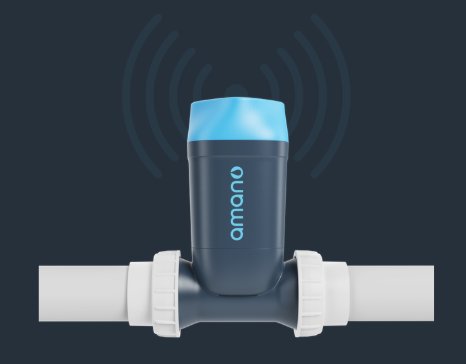
Amano tests pH and total alkalinity together, along with free and combined chlorine, in scheduled reagent-based test cycles for commercial pools. Every result is timestamped, every completed test can trigger an alert, and logs share by QR code with no login needed on the receiving end.
For the pH-alkalinity relationship specifically, the practical value is paired history. Amano tests pH and total alkalinity in the same scheduled cycle, so the trend view always shows the two values together: whether the buffer is eroding, whether pH is rebounding against a stable buffer, and whether corrections are moving both numbers the way the procedure intended.
Amano supports the operator's process. It does not add chemicals, and it does not replace testing, verification, or safety duties imposed by the local authority having jurisdiction.
Test pH and alkalinity on a schedule
See how scheduled reagent tests report pH and total alkalinity together, timestamped, every cycle.
Quick FAQ
Is pH the same as alkalinity?
No. pH describes the water's current acid/base condition; total alkalinity describes its buffering capacity against pH change. They are measured separately, and each can be out of range while the other looks normal.
Can alkalinity be normal while pH is high?
Yes. They are related but distinct measurements. Aeration, chemical feed, and source water can all push pH up while alkalinity stays in range, which is why both belong in every panel.
Does alkalinity control pH?
It influences resistance to pH change, but pH also responds to carbon dioxide, chemicals, and source water. Alkalinity sets the suspension; the other forces still steer.
Why test both?
Together they give operators the full picture: where the water is, and how hard it will fight a move. Testing only pH is how facilities end up on the correction seesaw without ever seeing the alkalinity side swing.
Talk through your pools with us
Thirty minutes, your properties, your water-testing setup. No obligation.
Primary sources and scope
Reviewed September 16, 2026. The sources below provide public-health and label context. Amano product details on this page come from current Amano materials.