Scope: This is general operating guidance. Follow your local health department and adopted code, facility SOP (standard operating procedure), chemical label, and equipment-manufacturer instructions.
Why pH Can Rise Repeatedly
Repeated pH rise usually means a recurring process is pushing the carbonate system or adding basicity. A single high reading can be a bad test or a one-time event; a pH that climbs every day is the water reporting a process.
The useful task is to identify that process instead of treating each high reading as unrelated. The 2024 Model Aquatic Health Code lists a reference pH range of 7.0 to 7.8 for public pools, with local adopted code setting the actual operating range. A pool that drifts above its target every afternoon is telling the team something specific, and the daily acid addition that resets it is treating the report, not the source.
Aeration Can Push pH Up
Aeration promotes carbon-dioxide loss from water. Pool water holds dissolved CO2 as part of its carbonate chemistry, and as that CO2 leaves the water, pH rises even without anyone adding a high-pH chemical.
Returns, spillovers, fountains, jets, and spas can all accelerate the effect. This is the most underappreciated pH driver in commercial pools: the water can gain pH all day from physics alone, while the chemistry feed gets blamed for it. For the portfolio-wide picture of scheduled testing, alerts, and records, see our guide to commercial pool monitoring.
Total Alkalinity Changes the Pattern
Total alkalinity represents buffering capacity. Higher alkalinity can increase the amount of acid needed to move pH and can influence how persistently pH rebounds after adjustment.
The 2024 MAHC lists a reference total alkalinity range of 60 to 180 ppm, with local code setting the actual requirement. A pool running high alkalinity and heavy aeration has both halves of the rebound cycle loaded: the buffer resists the correction, and the aeration keeps pushing pH back up. The relationship between the two values is covered in pH vs. alkalinity.
Chemical Feed Can Contribute
Sanitizer chemistry, acid and base feed, controller settings, and actual pump output all matter. Some sanitizer forms raise pH as they dissolve, and a controller setpoint is an intention rather than a measurement of what the feeder physically delivered.
Review what chemicals are being added and whether the feeder is delivering what the controller thinks it is delivering. A pump losing prime, a clogged injection fitting, or a miscalibrated output can all turn a correct setpoint into a wrong dose.
Source Water and Makeup Water Matter
Makeup water arrives with its own pH and alkalinity. Heavy splash-out, leaks, backwashing, or routine water replacement can steadily pull the pool toward the chemistry of the source water.
If the municipal supply runs alkaline, every refill adds buffering along with the water. Testing the source water occasionally converts a mystery into a known input, and it explains the properties where pH behaves differently from sister pools a few miles away.
Features and Spas Increase Aeration
Bubblers, waterfalls, deck jets, negative edges, spa jets, and aggressive return action increase gas exchange. A beautiful water feature can also be a very effective carbon-dioxide removal device.
This is why feature schedules belong in the troubleshooting record. A pool whose fountains run during operating hours and a pool whose fountains run all night have different pH trajectories, and the timestamped feature schedule is often what explains the slope.
Check the pH Measurement First
Before feeding more acid, verify the pH with a trusted method. A bad measurement plus a working acid pump is a bad combination, and "correcting" water that was never high is how facilities manufacture a low-pH problem.
For facilities using pH probes, inspect for flow, fouling, and calibration issues before trusting the number; pH probe calibration covers what that check involves. For reagent tests, fresh reagents and correct technique catch most false readings in minutes.
Stop Treating Every Rise as a New Mystery
Graph pH against acid feed, alkalinity, occupancy, and feature schedules. A repeated slope is operational information: it can show whether the same cause is returning day after day or whether something changed this week.
A pH that rises 0.2 every operating day and resets every night is an aeration or feed story. A pH that suddenly rises faster than its established pattern is a change story, and the change deserves a search: new chemical, new feature schedule, new source water, new equipment behavior.
Use Acid Demand as an Operating Signal
If acid consumption climbs over time, investigate why. Changes in source water, alkalinity, aeration, feed settings, or equipment can turn chemical usage into an early warning signal.
Acid demand is one of the few signals that shows up in the supply room before it shows up in the water. A facility ordering more acid than it did last season, with no matching change in bather load, has a chemistry process changing somewhere upstream. The opposite problem, pH that keeps dropping, has its own set of drivers and the same diagnostic discipline.
Practical Operator Workflow
Give the rising-pH pattern a named owner. One person watches the daily slope, checks it against the feature schedule and acid feed, and decides when the pattern graduates from watch to investigate. Everyone else needs exactly two rules: what to record when the reading is high, and when to escalate. A slope nobody owns is a slope everybody admires.
What Good Operations Look Like
A property on top of rising pH knows its slope. The team can say how fast pH climbs on a normal day, what the feature schedule costs in acid, and whether this week's demand matches last month's. Corrections are sized to the pattern, and the pattern gets reviewed when the consumption record shifts. Nothing about the water surprises them for long, because the trend line is read before the complaints arrive.
Where Amano Fits
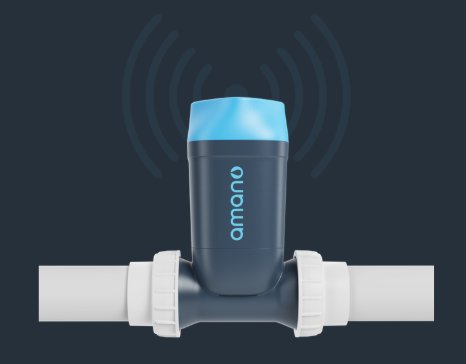
Amano runs scheduled reagent tests for commercial pools and reports pH, total alkalinity, free chlorine, and combined chlorine from every cycle. Each result lands with a timestamp, alerts follow completed tests, and logs share by QR code with no login required.
For a property chasing a rising pH, the practical value is the trend line. Scheduled pH and alkalinity tests, timestamped across days, show the slope of the climb and whether it tracks the feature schedule, the programming calendar, or a gradual alkalinity shift. Supervisors can compare the slope across properties in one app and see which site is burning acid on a physics problem.
Amano supports the operator's process. It does not add chemicals, and it does not replace testing, verification, or safety duties imposed by the local authority having jurisdiction.
Track pH trends automatically
See how scheduled reagent pH and alkalinity tests turn a daily climb into a documented pattern.
Quick FAQ
Why does my pH rise every day?
Aeration driving off carbon dioxide is the most common recurring driver, with alkalinity, chemical additions, and source water as the other usual suspects. A daily rise is a process, not a string of accidents, and the trend data will usually name it.
Does aeration raise pH?
Yes. Aeration drives dissolved carbon dioxide out of the water, and as CO2 leaves, pH rises. Fountains, spillovers, jets, spas, and aggressive returns all accelerate the exchange.
Should I just add more acid?
Follow the approved procedure, but investigate why the demand is recurring. Acid treats the reading; aeration schedules, alkalinity management, and feed review treat the process. A pool that needs acid every day has something to explain.
Can trend data help?
Yes. Timing can connect pH rise with aeration, features, feed schedules, or water additions, which is what turns a daily mystery into a documented pattern with an owner.
Talk through your pools with us
Thirty minutes, your properties, your water-testing setup. No obligation.
Primary sources and scope
Reviewed September 16, 2026. The sources below provide public-health and label context. Amano product details on this page come from current Amano materials.