Scope: This is general operating guidance. Follow your local health department and adopted code, facility SOP (standard operating procedure), chemical label, and equipment-manufacturer instructions.
The Core Problem: Demand Is Beating Supply
Instead of repeatedly adding more sanitizer and hoping the pool develops better manners, look for the pattern behind the loss.
Quantify the decline when possible. A drop from 4 ppm to 3 ppm over twelve hours is a different operating problem from a drop from 4 ppm to near zero in two hours. Rate of change helps separate routine demand from an abnormal event.
Heavy Bather Load Can Change Chemistry Quickly
Every swimmer introduces material that chlorine has to deal with. A commercial pool can look perfectly normal before a busy period and show very different chemistry later.
Hotels, apartment pools, municipal facilities, and resorts can experience sharp changes in use. If chlorine consistently drops during the same hours, bather load is an important clue.
Compare high-use days with quiet days. If the same feeder maintains residual on weekdays but falls behind during weekend peaks, the pattern points toward load and feed capacity or control rather than a mysterious chemical defect. For the portfolio-wide picture of scheduled testing, alerts, and records, see our guide to commercial pool monitoring.
Sunlight Matters Outdoors
Ultraviolet light can accelerate chlorine loss in outdoor pools. Cyanuric acid can change chlorine's behavior in outdoor water, but appropriate use and limits depend on the facility type and applicable code.
Do not assume the solution is simply “add more stabilizer.” Commercial-pool rules vary, and some facilities or applications restrict its use. Follow the authority having jurisdiction.
Track outdoor loss by time of day and season. A pattern that worsens during long sunny afternoons but improves on cloudy days provides operational evidence that environmental loss is part of the equation.
Check the Chemical Feed System
Low chlorine may be a chemistry-demand problem, but it can also be a delivery problem. Empty chemical supply, clogged injection point, failed pump, air lock, incorrect controller setting, loss of flow, or equipment malfunction can reduce sanitizer addition.
Before diagnosing exotic water chemistry, confirm the feeder is actually feeding.
Review actual feed output, not just the controller command. A controller can call for sanitizer while a failed pump, empty drum, blocked injector, or lost flow prevents the chemical from reaching the pool.
Circulation and Mixing Affect What You Measure
A pool can have uneven conditions if circulation is poor. A sample taken in one location may not represent the entire body of water, especially around return patterns, dead zones, or equipment issues.
Verify circulation and sample location when results are inconsistent. A chlorine number is only as representative as the water you tested.
Compare samples from approved representative locations when troubleshooting distribution. Persistent spatial differences can indicate circulation issues that deserve equipment attention rather than repeated chemical adjustment.
Contamination Can Create Unusual Demand
Organic contamination, accidental releases, debris, and other events can consume chlorine rapidly. A sudden demand event often looks different from the predictable daily decline caused by normal use.
Follow the facility's response plan and applicable public-health guidance for contamination events. This is not the place for improvising chemical doses from a generic blog post.
Document unusual events and the chemistry response. That history helps the team distinguish normal daily consumption from a one-off contamination episode and supports better incident review later.
pH Changes the Chlorine Story
PH affects chlorine chemistry and disinfection effectiveness. Even when the free-chlorine concentration is the headline problem, pH should be part of the diagnosis.
A strong operating process looks at the chemistry panel together rather than treating each parameter as if it lives in a separate pool.
Look at pH trend alongside free chlorine before concluding the sanitizer system alone is responsible. A pool can have a concentration issue, an effectiveness issue, or both.
Look at Timing, Not Just Minimums
A single low result tells you the pool is low now. A trend can tell you when the decline begins, how quickly it happens, and whether the same pattern repeats every day.
That timing can point toward bather load, sunlight, feeder scheduling, or operational changes. History turns “chlorine keeps disappearing” into a problem with a clock attached.
Overlay chemistry with operational events such as opening, swim lessons, peak occupancy, chemical deliveries, backwashing, and feeder maintenance. The cause often becomes much less mysterious when the timelines share a page.
Do Not Overcorrect Blindly
When chlorine is low, operators should follow the facility's approved corrective procedure and applicable code. More chemical is not automatically the right first move if the feed equipment is malfunctioning, the test is questionable, or the pool has a contamination event requiring a specific response.
Confirm, diagnose, correct, and retest.
After any approved correction, verify that the residual responds as expected. If it does not, stop treating the symptom and escalate the investigation to feed, contamination, circulation, or testing. If the pattern sounds familiar, see why a pool won't hold chlorine and free chlorine vs. combined chlorine.
Practical Operator Workflow
For recurring free-chlorine loss, build a seven-day diagnostic table before changing the operating strategy. At consistent times, record free chlorine, combined chlorine, pH, bather load or major programs, weather for outdoor pools, feeder status, chemical level, and any backwashing or water replacement. Note the time of corrective actions rather than simply writing 'adjusted.' After several days, compare the rate of chlorine decline with the events around it. A repeated afternoon drop on sunny high-use days suggests a different investigation from an overnight drop when the pool is closed. A decline that begins immediately after feeder maintenance points somewhere else again. This method is intentionally simple. It turns a vague complaint—'we are always low'—into a timeline the operator can test. Automated readings can make that timeline richer, but the equipment observations still matter. The objective is to identify whether demand, delivery, dilution, circulation, or an unusual event is driving the loss. Once the cause is better understood, the facility can adjust its approved operating process and verify whether the pattern improves.
Once a pattern is identified, verify the proposed fix over several comparable operating periods. If the team changes feed timing, repairs equipment, or modifies an approved operating procedure, look for a measurable improvement in the chlorine trend rather than declaring victory after one good test. Commercial pools are noisy systems: weather, occupancy, and water replacement can make one day look better by accident. Repeated improvement is stronger evidence that the root cause was addressed. Keep the before-and-after history because it also helps justify future maintenance decisions.
Where Amano Fits
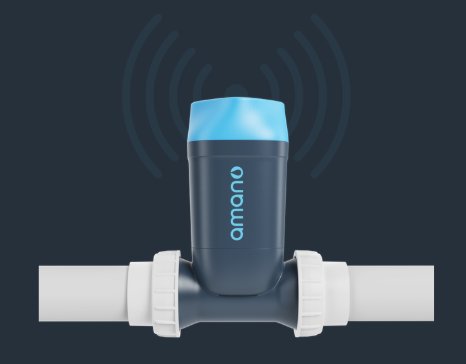
Amano automatically performs scheduled liquid-reagent tests for free chlorine, along with combined chlorine, pH, and total alkalinity. The readings are timestamped, stored, and available remotely.
For a pool with recurring chlorine loss, that history can help operators see whether low readings are isolated or part of a repeated pattern. Amano does not dose chlorine; corrective action remains with the facility team and its existing equipment/process.
Scheduled automated tests can create enough repeated observations to reveal daily patterns that a single morning manual test may miss. They do not explain every cause, but they give the technician a better starting point.
Track chlorine between manual tests
See how scheduled automatic tests show what happens to free chlorine between your site visits.
See How Amano Tracks Free Chlorine Automatically Request a Demo
For free chlorine keeps dropping, the operating team should document the measurement, surrounding conditions, and follow-up action so the next decision is based on evidence rather than memory.
Quick FAQ
Why does my pool lose chlorine every afternoon?
Heavy use, sunlight, feed timing, or other recurring conditions may be involved. Compare the timing with operations.
Can low chlorine mean the feeder is broken?
Yes. Always inspect the delivery system as part of troubleshooting.
Does pH matter when chlorine is low?
Yes. pH affects chlorine chemistry and should be reviewed with disinfectant results.
Can automated testing tell me why chlorine dropped?
It can provide timing and chemistry history, but the operator still needs to inspect equipment and operating conditions.
Talk through your pools with us
Thirty minutes, your properties, your water-testing setup. No obligation.
Primary sources and scope
Reviewed September 16, 2026. The sources below provide public-health and label context. Amano product details on this page come from current Amano materials.