Scope: This is general operating guidance. Follow your local health department and adopted code, facility SOP (standard operating procedure), chemical label, and equipment-manufacturer instructions.
HOA Pools Have Many Stakeholders
An HOA pool answers to more constituencies than most commercial pools: the board that owns the liability, the community manager who runs the operation, the vendor or staff who touch the water, and the residents who fund all of it and complain loudest.
Each stakeholder needs the same facts at a different altitude. The board needs assurance and records, the manager needs status and exceptions, the vendor needs the working data, and the residents need a pool that is open and safe. A shared record is the only structure that serves all four without a weekly meeting.
Give the Manager Facts, Not Chemistry Screens
Community managers oversee pools alongside landscaping, gates, and a hundred other line items. Their pool question is never "what is the ORP"; it is "is the pool fine, and can I prove it."
Monitoring serves the manager when it translates chemistry into status: in range or out, tested on schedule or missed, exception closed or open. The underlying readings stay one tap away for whoever needs them, but the manager's default view should be the answer, not the analysis. For the portfolio-wide picture of scheduled testing, alerts, and records, see our guide to commercial pool monitoring.
Make Vendor Accountability Easier
Most HOA pools are serviced by an outside vendor, and the traditional arrangement runs on trust plus a monthly invoice. The board pays for visits; what the water did between visits has historically been nobody's data.
A shared timestamped chemistry history changes the accountability math for everyone, including honest vendors. The board sees the water between visits, the vendor's corrections sit beside the readings that prompted them, and the contract conversation moves from anecdote to evidence. The vendor's side of this model is covered in monitoring for pool service companies.
Keep Records Accessible
HOA records get requested at the worst times: after an incident, during a dispute, at inspection, or when a resident formally asks. The pool log should be retrievable by whoever answers those requests, without needing the vendor's permission or the former board member's filing system.
The best log is not the one with the fanciest dashboard; it is the one a board secretary or manager can understand without archaeology. Timestamped, complete, and shareable beats sophisticated and locked up, every single time. The pool log retention guide covers how long to keep them.
Seasonal Openings Create Special Pressure
Seasonal HOA pools concentrate risk into two weeks: opening, when the water has sat for months, and closing, when next year's problems get seeded. Opening chemistry is a diagnostic marathon, and the record of last season is the best map through it.
Monitoring history earns unusual value at opening: the trend from last August tells the vendor where this May starts, and a documented opening sequence becomes the standard the next opening gets measured against. Seasonal facilities cannot afford to relearn their own water annually.
Avoid Turning the Board Into the Pool Operator
The board's job is governance: budgets, contracts, oversight, and risk. The moment board members start interpreting chemistry readings, the HOA has both a governance problem and a chemistry problem.
The healthy division of labor: vendors and staff operate, the manager manages, monitoring watches, and the board reviews summaries on a schedule. Escalation paths should carry genuine problems to the board as decisions, not as data. Everyone swimming in their own lane is what keeps the water and the meeting minutes clean.
Practical Operator Workflow
Set the reporting rhythm once and write it into the vendor contract and the manager's calendar: vendor readings and automated tests land in one shared record, the manager reviews exceptions weekly, and the board gets a one-page status summary monthly. Seasonal facilities add two fixed items: a documented opening protocol and a documented closing protocol. The system works when every stakeholder's piece is smaller than their attention span.
Where Amano Fits
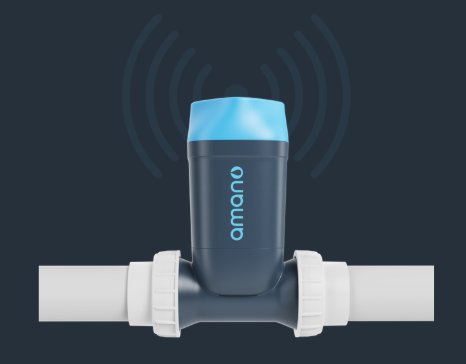
Amano provides the shared chemistry record an HOA needs: scheduled reagent-based tests for commercial pools measuring free chlorine, combined chlorine, pH, and total alkalinity. Every result is timestamped, alerts follow completed tests, and logs can be shared by QR code without an Amano login.
For HOAs, the practical value is oversight without chemistry homework. Scheduled tests keep the community pool's record running continuously, alerts flag anything needing a human, and the shared history gives the board defensible documentation and the vendor a clean accountability trail. Built-in cellular reporting works from equipment rooms with no usable Wi-Fi, which describes most of them.
Amano supports the operator's process. It does not add chemicals, and it does not replace testing, verification, or safety duties imposed by the local authority having jurisdiction.
See Amano for HOA pools
See how scheduled reagent tests give boards, managers, and vendors one shared timestamped record.
Quick FAQ
What is the main takeaway for HOA pool monitoring?
One shared, timestamped record serves every stakeholder: boards get defensible oversight, managers get status, vendors get accountability, and residents get a safer amenity.
Does automation replace the pool vendor?
No. Monitoring watches the water between visits and documents what happens. Vendors still test, correct, and maintain, with their work now visible in the same record.
Who should see pool monitoring data in an HOA?
The manager gets the working view, the board gets scheduled summaries, and the vendor gets the operating detail. Records requests from residents or inspectors pull from the same source.
Are HOA pools regulated like commercial pools?
In most jurisdictions, community association pools are regulated as public or semi-public pools, with local requirements for testing, records, and safety equipment. Confirm the rules with the authority having jurisdiction.
Talk through your pools with us
Thirty minutes, your properties, your water-testing setup. No obligation.
Primary sources and scope
Reviewed September 16, 2026. The sources below provide public-health and label context. Amano product details on this page come from current Amano materials.