Scope: This is general operating guidance. Follow your local health department and adopted code, facility SOP (standard operating procedure), chemical label, and equipment-manufacturer instructions.
The Apartment-Pool Reality: One Tech, 47 Other Duties
The typical apartment pool is cared for by someone who also fixes faucets, turns units, and answers to a property manager who answers to an owner. Pool chemistry competes with every other maintenance fire on the property, and it usually loses until it becomes visible.
That reality shapes every good decision about monitoring. The winning workflow is the one that works for onsite staff and regional managers at the same time: simple enough for a busy tech to run, visible enough for a manager to trust, and documented well enough to survive an inspection or an unhappy resident's records request.
Resident-facing pressure adds one more layer. Apartment pools are amenities, and amenity complaints arrive through the same channels as rent questions: the office, the review site, the renewal conversation. A documented chemistry history turns 'the pool is never clean' from a reputation fight into a timestamped answer.
What Property Managers Actually Need to See
Property managers do not need a chemistry education; they need three answers: Is the pool okay right now? Was it okay when the inspector or resident asks about last month? And if something went wrong, what did the team do about it?
Every monitoring decision should serve those three questions. Current status, defensible history, and documented response. A system that delivers those three things earns its place; a system that delivers charts without those answers is decoration. The underlying record structure is covered in what should be recorded in a commercial pool log. For the portfolio-wide picture of scheduled testing, alerts, and records, see our guide to commercial pool monitoring.
Regional Visibility Without Micromanaging
Regional managers overseeing multiple apartment communities need exception visibility, not a second job watching pool screens. The healthy pattern: properties report the same core data, the system surfaces the ones needing attention, and local staff handle the physical response.
The trust calibration matters. Regional visibility should verify that local teams are supported and succeeding, not surveil them. When the data shows a property struggling, the first question is what support they need, and the multi-pool monitoring guide covers how to structure that exception-driven model.
Make Vendor Handoffs Cleaner
Many apartment communities split pool care between onsite staff and outside vendors, and the handoff is where records die. The vendor knows what they did; the property knows what the sheet says; and neither can see the whole week.
A shared, timestamped chemistry history gives both sides the same facts. Vendor corrections sit beside onsite readings, follow-up results attach to the original excursion, and the weekly vendor argument about whose test is right gets replaced by a record both parties can read. For the compliance-records angle specific to apartments, see apartment pool monitoring and compliance logs.
The handoff works both directions. When the vendor's correction is logged against the excursion the property's readings flagged, the property can see whether the fix held, and the vendor can prove their work from the same record. Accountability stops being a blame conversation because the timeline speaks first.
No-Wi-Fi Deployment Can Matter
Apartment equipment rooms are notorious connectivity dead zones: concrete walls, below-grade locations, and property networks that were never designed for devices. Monitoring equipment that depends on site Wi-Fi inherits all of that.
Cellular-connected testing sidesteps the property network entirely, which converts the deployment conversation from an IT project into a mounting decision. Check signal at the actual equipment room before committing; the details are in pool water testing without Wi-Fi.
Keep Manual Requirements in the Workflow
Monitoring adds visibility; it does not erase the requirements that already apply to the pool. Jurisdictions set their own testing frequency, record, and inspection rules for multifamily pools, and those obligations stay with the property regardless of what technology is installed.
The safe pattern is additive: automated scheduled tests build the continuous record, manual verification confirms surprising results, and the physical daily checks stay on someone's list. CDC's Model Aquatic Health Code is useful national guidance, but the local adopted code is the rulebook, and the monitoring setup should be documented against it.
Practical Operator Workflow
Give the onsite tech a five-minute daily routine: review the overnight readings and alerts, walk the deck, handle or escalate anything flagged. Give the property manager a five-minute weekly routine: confirm the readings ran, confirm exceptions got responses, and check the trend. Give the regional manager an exception list, not a per-property chore. Three small routines, each matched to what that role can actually act on, beat one giant process nobody finishes.
Where Amano Fits
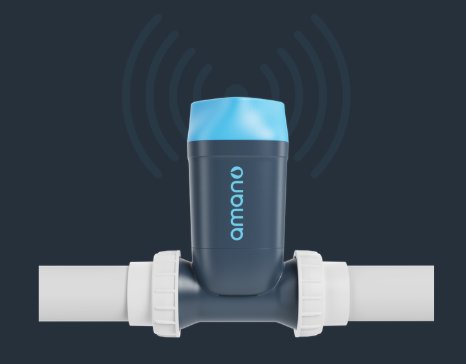
Amano fits the apartment staffing reality: scheduled reagent-based tests measure free chlorine, combined chlorine, pH, and total alkalinity without adding tasks to the tech's day. Results are timestamped, alerts go out after completed tests, and logs can be shared by QR code without an Amano login.
For apartment communities, the practical value is a chemistry record that runs itself between human touches. Scheduled tests keep measuring after the tech moves on to the other 47 duties, alerts flag the exceptions that need a person, and the timestamped history answers the property manager's three questions without a records hunt. Built-in cellular keeps the data flowing from equipment rooms where Wi-Fi will not reach.
Amano supports the operator's process. It does not add chemicals, and it does not replace testing, verification, or safety duties imposed by the local authority having jurisdiction.
See Amano for apartment pools
See how scheduled reagent tests keep the chemistry record running between your tech's other duties.
Quick FAQ
What is the main takeaway for apartment pool monitoring?
Match the workflow to the reality: one busy onsite tech, a manager who needs answers, and often a vendor in the mix. Simple daily routine, exception visibility, and a shared timestamped record.
Does automation replace the pool operator?
No. Automation adds measurements, records, alerts, and history. Physical inspection, correction, and jurisdiction-required manual tests stay with people.
Can one monitoring approach work across an apartment portfolio?
Yes, if the data is standardized. Every property reports the same core parameters the same way, and regional managers work from an exception list rather than per-property review.
What about pools with poor equipment-room Wi-Fi?
Use equipment with its own connectivity. Cellular-based testing does not depend on the property network, which removes the most common apartment deployment blocker.
Talk through your pools with us
Thirty minutes, your properties, your water-testing setup. No obligation.
Primary sources and scope
Reviewed September 16, 2026. The sources below provide public-health and label context. Amano product details on this page come from current Amano materials.