Scope: This is general operating guidance. Follow your local health department and adopted code, facility SOP (standard operating procedure), chemical label, and equipment-manufacturer instructions.
Most Software Records the Visit; Monitoring Watches the Water
Traditional pool service software is a system of record for labor: stops completed, chemicals added, checkboxes checked. It documents that someone came. It says nothing about what the water did the other 167 hours of the week.
Monitoring closes that gap. Scheduled automated tests between visits build a timestamped chemistry history for every pool on the route, so the record covers the whole week instead of the twenty minutes the technician was there. The best log is not the one with the fanciest dashboard; it is the one that answers "what happened Tuesday night" without calling the tech.
Know Before the Truck Rolls
The most expensive kind of pool problem for a service company is the surprise: the green pool discovered on arrival, the callback from a stop made two days ago. Both start as chemistry drift that nobody saw.
Monitoring converts surprises into scheduled work. When the system flags a pool drifting on Tuesday, the Thursday visit arrives knowing, or the schedule flexes to absorb it early. Either way, the company stops finding problems at the same moment the customer does, which is the single worst moment in the service business. For the portfolio-wide picture of scheduled testing, alerts, and records, see our guide to commercial pool monitoring.
Use Exceptions to Prioritize Routes
Route planning tradition says every pool gets the same stop every week. Exception data says some pools need Thursday badly and others are boringly stable, and boringly stable is billable stability, not a reason to drive.
Good monitoring is exception-driven: show which body of water needs attention, how far it moved, what the recent history looks like, and who owns the next step. The route becomes a prioritized list instead of a habit, and technician hours flow toward the pools the data flags. The exception model is covered in multi-pool monitoring.
Give Techs Better Context
A technician who arrives with the pool's timestamped history starts at the response instead of the diagnosis. The trend says the alkalinity has been sliding for three weeks; the tech's twenty minutes go to correcting and verifying instead of discovering.
Context also travels. When a different tech covers the route, the record carries everything the regular tech knew, so coverage stops meaning quality loss. Document the result and the maintenance action every time; the next visit starts where the last one ended instead of at zero.
Give Customers a Better Story
Service customers cancel when they cannot see the value. "We came Thursday" is a weak story; a shareable, timestamped chemistry history is a strong one. The customer who can see their pool's week stops asking what they are paying for.
This is retention economics, not marketing fluff. The pool company's product is water quality over time, and monitoring makes that product visible for the first time. Shared records also de-escalate disputes: when a customer claims the pool was green all week, the timestamped readings are the honest referee. For the customer-facing records side, see commercial pool logs.
Do Not Promise Fewer Visits Where Code or Contracts Require Them
One honest limit: monitoring does not erase visit requirements. Local codes, health-department rules, and contract terms may all specify physical visit frequency, and none of that flexes because a device is reporting.
The first rule is wonderfully unglamorous: follow the code and the contract that actually apply. Monitoring's value is better visits and fewer surprises, not legally fictional ones. Companies that sell it as "watch every pool between visits" stay credible; companies that sell it as "skip half your route" get a different kind of famous.
Practical Operator Workflow
Wire the monitoring feed into the route review, not beside it: exceptions get triaged with tomorrow's stops every afternoon, and every alert lands with an owner before the trucks roll. Review repeat offenders monthly as a route-quality metric, because a pool that flags every week is either a problem pool or a pricing mistake. And keep the manual verification habit sacred: the technician's own test confirms what the instrument reported, and the two records together are the professional standard.
Where Amano Fits
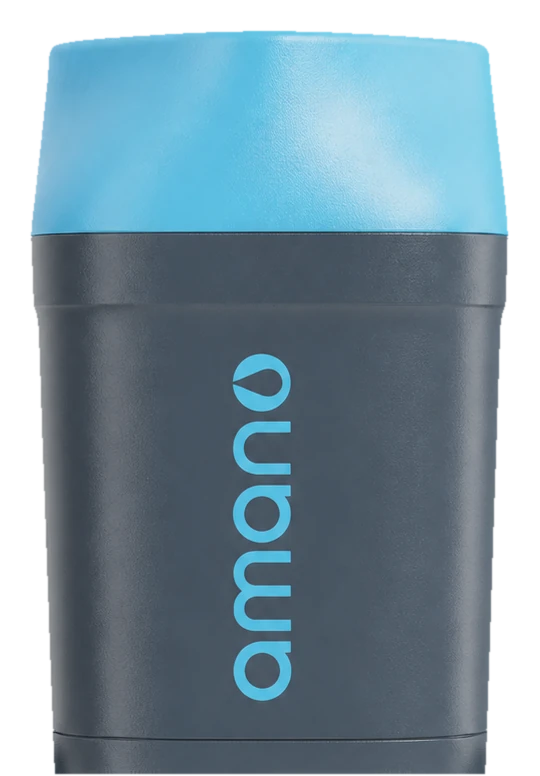
Amano builds the between-visits record for service routes: scheduled reagent-based tests measuring free chlorine, combined chlorine, pH, and total alkalinity at each monitored pool. Results are timestamped, alerts go out after completed tests, logs can be shared by QR code without an Amano login, and the whole route is reviewable in one app.
For service companies, the practical value is the between-visits layer: every monitored pool reports its chemistry on schedule without consuming tech hours, exceptions surface before the truck rolls, and customers get a shareable record that makes the service visible. Built-in cellular reporting means no dependence on the customer's Wi-Fi, which removes the most common deployment headache at residential-style equipment pads.
Amano supports the technician's work. It does not add chemicals, and it does not replace testing, verification, or visit requirements imposed by the authority having jurisdiction or by contract.
See Amano for service routes
See how scheduled reagent tests watch every monitored pool between your visits.
Quick FAQ
What is the main takeaway for pool service monitoring?
Software records the visit; monitoring watches the water between visits. The combination turns surprises into scheduled work and makes the service's value visible to customers.
Does monitoring replace route visits?
No. Codes, health-department rules, and contracts still set visit requirements. Monitoring makes every visit better informed and catches problems early; it does not legally remove stops.
How does monitoring affect customer retention?
It makes the invisible service visible. A shareable timestamped chemistry history shows customers what they pay for, and it settles disputes from evidence instead of argument.
Can monitoring help prioritize routes?
Yes. Exception data shows which pools need attention now and which are stable, so technician hours flow toward flagged pools instead of uniform habit.
Talk through your pools with us
Thirty minutes, your properties, your water-testing setup. No obligation.
Primary sources and scope
Reviewed September 16, 2026. The sources below provide public-health and label context. Amano product details on this page come from current Amano materials.